
Introduction to Austrian Hungarian Goulash
What is Austrian Hungarian Goulash?
Austrian Hungarian Goulash is a hearty stew that brings together rich flavors and comforting textures from the culinary traditions of Austria and Hungary. At its core, this dish features tender chunks of beef simmered in a robust paprika-infused sauce, accompanied by a colorful medley of vegetables like carrots and potatoes. Traditionally, goulash is a one-pot meal, making it not only satisfying but also conveniently easy to prepare. The result is a symphony of warm and hearty flavors that makes this dish a staple in many homes across Europe.
Why is goulash a comforting choice for homemade meals?
Goulash is often hailed as the epitome of comfort food, and for good reason! It’s the kind of dish that envelops you in warmth with every bite. The long simmering time allows the beef to become incredibly tender while the flavors meld together beautifully. In a world where many of us experience fast-paced lives, a bowl of goulash can transport you back to simpler times, often evoking fond memories of family gatherings or cozy winter nights. It’s no wonder that this humble stew has found its way into the hearts and kitchens of so many.
If you're intrigued, why not dive into the recipe? You might just find your new go-to comfort meal! For more details, check out this guide on the origins of goulash.
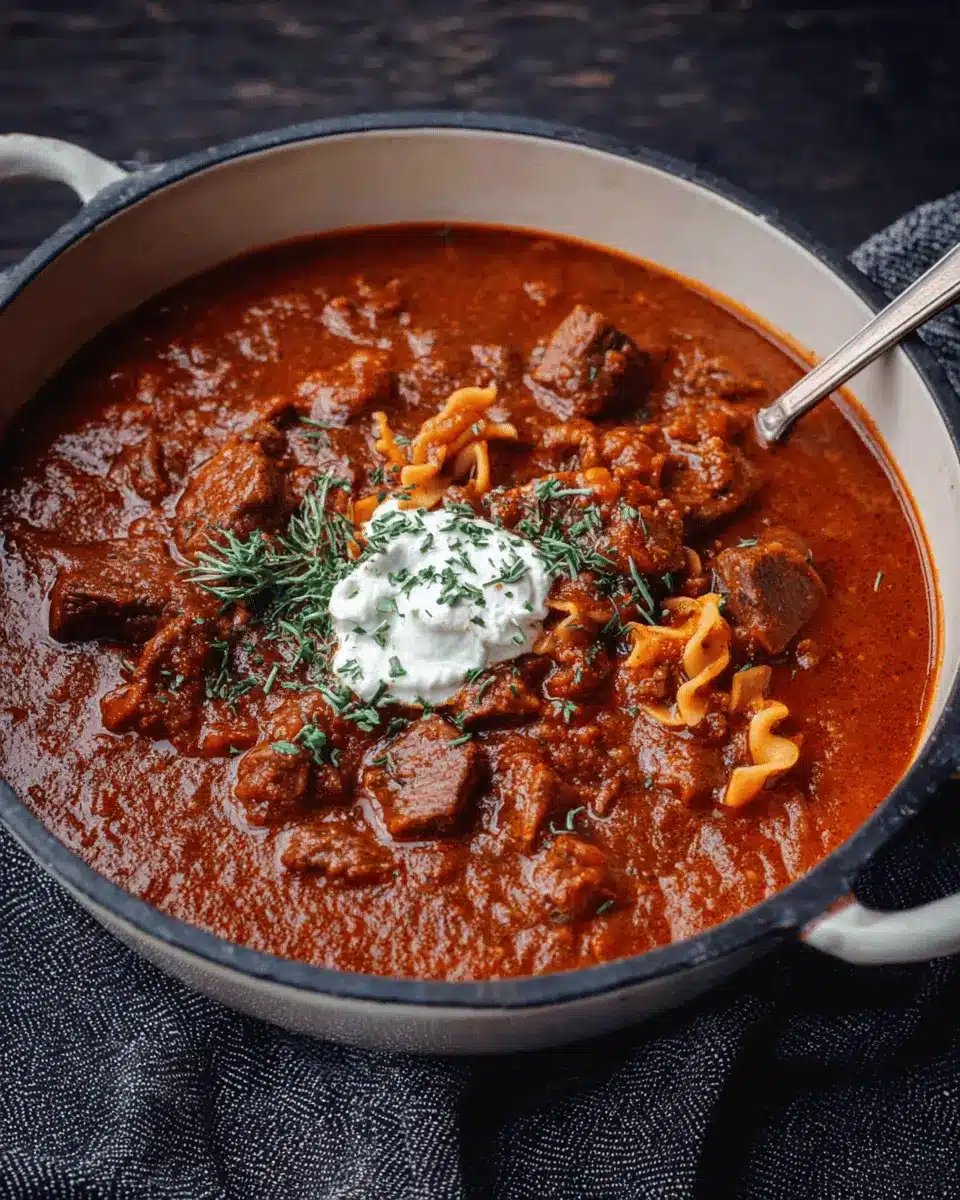
Ingredients for Austrian Hungarian Goulash
Essential ingredients for a rich flavor
To create an unforgettable Austrian Hungarian Goulash, you'll want to gather the following essential ingredients:
- Stewing beef: Choose chuck for its richness.
- Onions: A medium-sized onion adds depth.
- Vegetables: Don’t skimp on carrots and Yukon gold potatoes.
- Paprika: Hungarian sweet paprika is key for that authentic flavor.
- Tomato paste: This enriches the sauce and adds body.
- Beef broth: For a savory foundation that ties everything together.
Why quality beef matters in goulash
Quality matters, especially when it comes to the beef. Using well-marbled stewing beef ensures a tender and flavorful result. The fat breaks down during the long cooking process, infusing the dish with richness and depth.
Optional garnishes to elevate your dish
To finish off your Austrian Hungarian Goulash, consider garnishing with:
- Chopped parsley and dill for freshness.
- Sour cream to add a creamy, tangy contrast.
These simple additions can elevate your dish from good to great! For more tips on sourcing quality ingredients, check out this resource on the importance of ingredient quality.
Preparing Austrian Hungarian Goulash
Cooking Austrian Hungarian Goulash is like wrapping yourself in a warm blanket on a cold day. It's a dish that combines comfort with a rich tapestry of flavors. So let’s get cooking!
Brown the beef chunks
Start by heating a tablespoon of neutral oil in a large Dutch oven or a hearty soup pot over medium heat. The oil should shimmer, signaling it’s ready for action. Season your stewing beef (1.5 pounds, cut into ¾-inch chunks) with kosher salt and black pepper. Place a single layer of beef in the pot, ensuring there’s enough space for each piece to brown to perfection—this could mean cooking in batches. Brown each chunk for about 5 to 10 minutes until delightful caramelization occurs. Transfer the browned beef to a bowl, leaving behind the dreamy juices.
Sauté the onions to perfection
Next, toss in your thinly sliced onion (one medium onion will do). Continue cooking over medium heat, stirring frequently until the onions become soft and golden—this should take around 8 to 10 minutes. If you haven’t already, you’ll notice that the leftover fond from the beef easily releases with all those juicy onions. Can you smell it? It’s the start of something delicious!
Create the flavor base
Now it’s time to amp up the flavors! Pour in a splash of broth (substitute with a bit of your favorite stock if you prefer) to deglaze the pot, then return the beef along with any accumulated juices. Give it a good stir to incorporate the beef and onions. Then, with everything nestled together, sprinkle in flour (one tablespoon), marjoram, and crushed caraway seeds. This will help thicken the goulash. Add your tomato paste and Hungarian sweet paprika (four tablespoons) in a cleared space in the pot. Stir until you form a paste that sings with flavor.
Add the broth and tomatoes
Time to turn this hearty mixture into a soul-satisfying stew! Stir in 3–4 cups of beef broth, adding more if needed, and then gently fold in the diced tomatoes (15 ounces) along with their juices. The vibrant colors will have you excited for the finished dish already!
Simmer and stir periodically
Raise the heat slightly to reach a gentle bubble—imagine a cozy simmer rather than a full boil. Cover the pot slightly ajar and let it work its magic for about 2 hours. Don’t forget to check in every 20 minutes; it’s all about those flavors melding.
Incorporate the vegetables
With about 45 minutes to an hour left on the clock, it’s your chance to add in the veggies! Toss in a cup of chopped carrots and Yukon gold potatoes (peeled and chunked). Add a tablespoon of balsamic or apple cider vinegar to brighten up the flavors. If the goulash looks a bit too thick, don’t be shy—add a little more broth.
Taste and adjust seasoning
Finally, it’s tasting time! Dive into the deliciousness and make any necessary adjustments with salt and freshly cracked black pepper. If you're feeling adventurous, a sprinkle of brown sugar can help harmonize the flavors.
Let your goulash cool and rest in the fridge if you can; it’s a dish that gets better with time, making it perfect for meal prep! For more details on the history and variations of goulash, check sources like Food & Wine or Bon Appétit. Enjoy your cooking, and may your soup pot overflow with warmth and comfort!
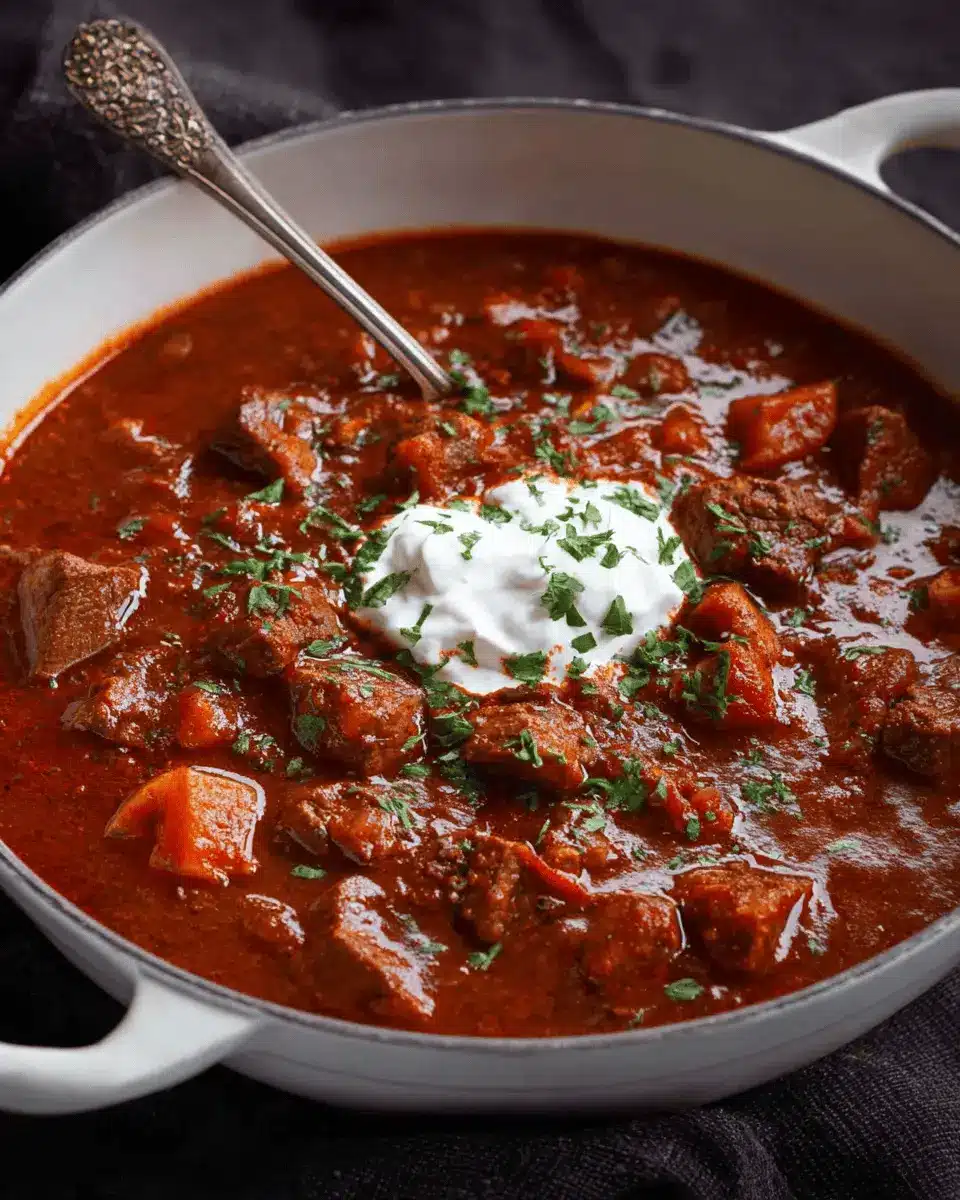
Variations on Austrian Hungarian Goulash
Vegetarian Goulash Alternative
For those looking to enjoy a meat-free experience, a vegetarian goulash can be just as satisfying! Start with a base of hearty vegetables like bell peppers, mushrooms, and zucchini, and replace the beef with chunky lentils or vegan sausage. The rich flavors of paprika and a splash of vegetable broth will still deliver that comforting essence inherent in traditional Austrian Hungarian Goulash. For a protein boost, consider adding chickpeas or black beans. This option not only caters to vegetarians but also offers a nutritious twist.
Spicy Variations for Heat Lovers
If your taste buds crave excitement, try spicing up your Austrian Hungarian Goulash with a fiery touch! Incorporate cayenne pepper, jalapeños, or a splash of hot sauce to elevate the heat. You can also experiment with smokier chilies like chipotle for depth of flavor. Consider topping your goulash with fresh chili flakes or serve it alongside spicy pickles for an extra kick! This approach not only tantalizes your palate but proves that goulash can be adapted to suit all heat-loving foodies.
Feel inspired? For more goulash variations, check out this guide on creating the perfect stew.
Cooking Tips and Notes for Austrian Hungarian Goulash
Importance of Letting Flavors Develop
One of the secrets to a truly delicious Austrian Hungarian Goulash is patience! Allowing the stew to rest after cooking gives the flavors time to meld and deepen. If you can, chill it in the fridge for a few hours or overnight before reheating. This technique not only enhances the taste but also makes for an excellent make-ahead meal. According to culinary experts, letting stew sit can elevate flavors significantly, making your goulash even more satisfying.
How to Store and Reheat Goulash
To store your goulash, simply transfer it to an airtight container once cooled. It can be refrigerated for up to 3 days or frozen for up to 3 months. When ready to enjoy again, thaw if frozen, then gently reheat on the stove over low heat, adding a little beef broth if needed to reach your desired consistency. Remember, reheated Austrian Hungarian Goulash often tastes even better than freshly made, thanks to the intensified flavors!
For more tips on proper food storage, check out the USDA guidelines for safe practices.
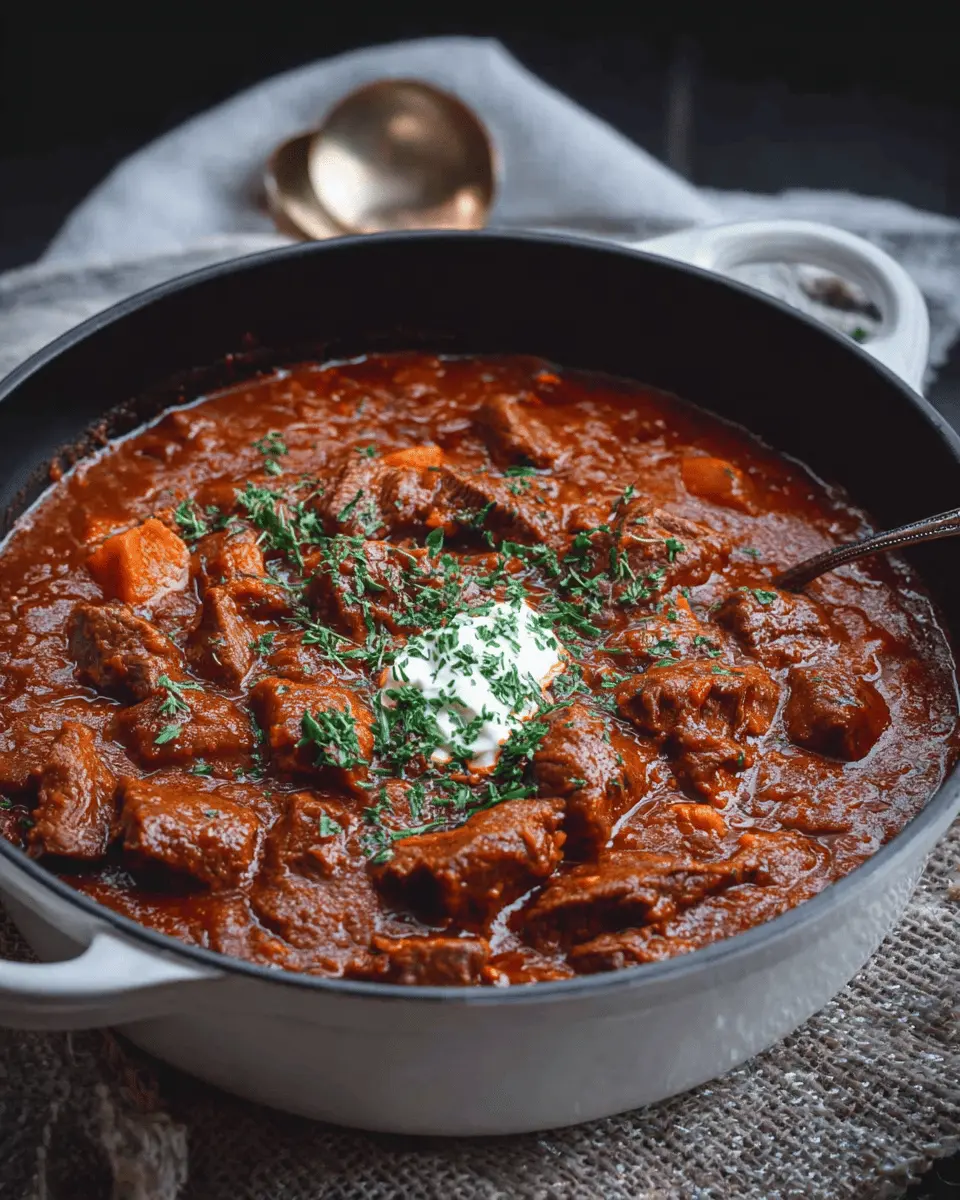
Serving suggestions for Austrian Hungarian Goulash
What to serve alongside goulash
- Austrian Hungarian Goulash shines when paired with hearty sides. Consider classic choices like fresh crusty bread or fluffy dumplings to soak up its rich sauce. You can also serve it with a side of creamy mashed potatoes or buttery egg noodles for a comforting meal. For a lighter option, a simple green salad dressed with a tangy vinaigrette complements the robust flavors perfectly.
Creative ways to present your dish
Presenting your Austrian Hungarian Goulash can be as delightful as the dish itself! Serve it in rustic bowls or ramekins for a cozy feel. Garnish with fresh parsley or dill for color and a dollop of sour cream adds a creamy touch. You can also create a layered effect by placing the goulash over a bed of noodles or next to your favorite roasted vegetables for a vibrant plate. For a special touch, consider using a large cast-iron pot at the dining table, letting guests serve themselves from the heart of your culinary creation.
For more about side dishes, check out Food & Wine’s guide on perfect pairings or explore Cooking Light for inspiration!
Time Breakdown for Austrian Hungarian Goulash
Preparation Time
The preparation time for this savory Austrian Hungarian Goulash is about 15 minutes. Make sure to have all your ingredients ready. A little mis en place can go a long way, right?
Cooking Time
You’re in for a treat with 2 hours and 30 minutes of cooking time. This long simmer allows the flavors to meld beautifully, resulting in a rich and tender goulash that will impress your friends and family.
Total Time
In total, you’ll need about 2 hours and 45 minutes to bring this dish to life. It’s the perfect way to spend a cozy afternoon, especially if you enjoy cooking. Plus, your kitchen will smell amazing!
For more cooking tips and tricks, consider checking out Serious Eats for additional recipes and techniques to elevate your cooking game!
Nutritional Facts for Austrian Hungarian Goulash
Calories per serving
A serving of Austrian Hungarian Goulash typically contains around 350–400 calories. This makes it a satisfying option that won't break your caloric bank, perfect for a hearty meal after a long day.
Protein content
Each serving boasts approximately 30 grams of protein, thanks to the tender chunks of beef. This high protein content is ideal for muscle repair and overall health, making your goulash not just delicious but also nutritious.
Key vitamins and minerals
This dish is rich in essential vitamins and minerals, including:
- Vitamin A from carrots, promoting healthy vision.
- Iron from beef, crucial for oxygen transport in the body.
- Potassium from potatoes, supporting heart health.
Incorporating Austrian Hungarian Goulash into your meal plan ensures you're not just enjoying a comforting dish, but also nourishing your body with wholesome ingredients. For more insights on the nutritional benefits of these ingredients, check out reputable sources like Nutrition.gov or Healthline.
FAQ about Austrian Hungarian Goulash
Can I use other meats for goulash?
Absolutely! While traditional Austrian Hungarian Goulash typically features beef, you can also experiment with other proteins. Try using lamb for a unique flavor or even chicken for a lighter version. Just keep in mind that cooking times may vary depending on the meat; for example, chicken goulash will be ready more quickly than beef.
How can I make my goulash thicker?
If you prefer a heartier consistency, there are a few easy tricks! You can add a slurry of cornstarch mixed with cold water, or stir in additional flour as it simmers. For a more natural option, simply let the goulash cook uncovered for the last 30 minutes—this will help reduce liquids and thicken the sauce nicely.
What sides pair well with goulash?
Goulash is wonderfully versatile and pairs excellently with various sides. Consider serving it with freshly baked bread to soak up the flavors or creamy mashed potatoes for a comforting touch. Alternatively, a simple salad can add a refreshing crunch and balance the richness of the stew.
For more about ingredient substitutions or cooking tips, check out these helpful resources.
Conclusion on Austrian Hungarian Goulash
Austrian Hungarian Goulash is more than just a meal; it’s a warm hug in a bowl. This hearty stew combines tender beef, vibrant vegetables, and aromatic paprika, making it a perfect choice for cozy gatherings. Enjoy it with your favorite bread, and savor the rich flavors of tradition!
Ready to give this recipe a try? Explore more goulash variations and tips for creative serving ideas on Serious Eats and elevate your culinary game!
Austrian Hungarian Goulash
Equipment
- Dutch oven
- soup pot
Ingredients
Base Ingredients
- 1 tablespoon neutral oil (such as vegetable) or butter
- 1.5 pounds stewing beef (such as chuck), cut into ¾″ chunks
- 1 medium onion
- 2 tablespoons red wine
- Kosher salt
- 3-4 cups beef broth
- 2 tablespoons tomato paste
- 1 tablespoon all-purpose flour
- 1 teaspoon dried marjoram
- 0.5 teaspoon crushed or ground caraway seeds
- 4 tablespoons Hungarian sweet paprika
- 15 ounces petite diced tomatoes
- 1 cup carrots cut into ½″ chunks
- 1 cup Yukon gold potatoes peeled and cut into ½″ chunks
- 1 tablespoon balsamic or apple cider vinegar
- Freshly ground black pepper
- chopped parsley and dill for garnish
- sour cream for garnish
Instructions
Cooking Steps
- Heat the oil in a Dutch oven or soup pot over medium until the surface simmers.
- Season the beef with salt and pepper and cook until browned on all sides, 5 to 10 minutes.
- Transfer the browned beef to a bowl and repeat with the remaining meat.
- Add onions to the pot and sauté until soft and golden.
- Pour in the red wine and scrape up the fond left behind from the meat.
- Return the beef to the pot, add any accumulated juices, and stir well.
- Sprinkle flour, marjoram, and caraway seeds over the beef, add a splash of beef broth, and make a paste with tomato paste and paprika.
- Stir everything together, adding more broth as necessary.
- Add two cups of beef broth along with diced tomatoes and stir well.
- Bring the mixture to a gentle bubble, covering the pot slightly ajar and cooking for 2 hours.
- After about 45 to 60 minutes, add carrots, potatoes, and vinegar, stirring well.
- Taste and add salt and black pepper to preference.
- Cool and store in the refrigerator before reheating to let flavors develop.



Leave a Reply