
Introduction to No-Knead Rosemary Sea Salt Bread
Discovering the joy of homemade bread
Have you ever walked into a bakery and been completely enchanted by the aroma of freshly baked bread? The golden crust, the soft interior, those lovely notes of savory herbs—it’s enough to make anyone swoon! Now imagine bringing that experience into your kitchen without the fuss of kneading. Enter the delightful world of no-knead rosemary sea salt bread.
This recipe is perfect for anyone who’s a busy professional, with just a bit of patience required for rising. Picture this: You prepare the dough the night before, and while you sleep, it works its magic, developing flavor and texture. When you wake up, the fragrance of rosemary and sea salt envelops your home, welcoming you to a new day.
Homemade bread might seem daunting, but it’s all about simplicity and a little bit of love. As you embark on this journey, consider that bread-making is a rediscovery of tradition, community, and the sheer joy of cooking. A loaf baked with your own hands carries a special warmth that store-bought options just can’t match. Check out resources like King Arthur Baking for more insights on bread-making and tips. Let’s dive into the recipe and start this delicious adventure!
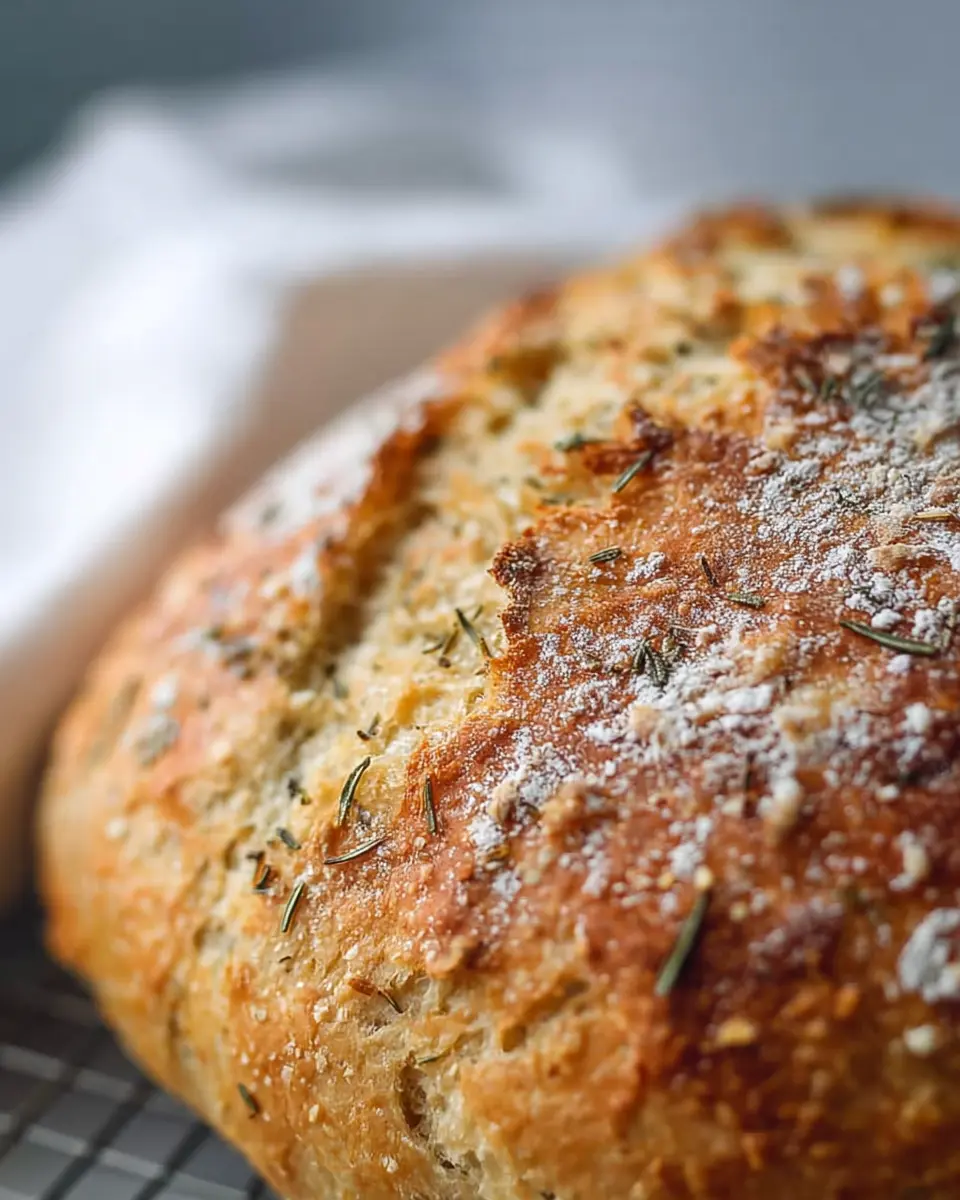
Ingredients for No-Knead Rosemary Sea Salt Bread
Essential Ingredients for Flavorful Bread
Creating a loaf of delicious no-knead rosemary sea salt bread doesn't require a long list of ingredients, but each one plays a vital role in building flavor and texture. Here’s what you’ll need to get started:
- Warm Water: 1 cup at about 110°F helps activate the yeast.
- Sugar: A single tablespoon fuels the yeast, promoting a good rise.
- Active Dry Yeast: One package (around 2¼ teaspoons) brings your dough to life.
- All-Purpose Flour: 1½ cups create the bread's structure.
- Bread Flour: ½ cup gives that perfect chewiness; however, more all-purpose flour can be substituted if needed.
- Fresh Rosemary: 2 tablespoons of finely chopped rosemary infuse the bread with an aromatic flavor.
- Sea Salt and Black Pepper: Just half a teaspoon of salt and a ¼ teaspoon of pepper enhance taste.
- Extra Virgin Olive Oil: 2 tablespoons not only add richness but also improve texture.
- Coarse Sea Salt: A teaspoon for that perfect topping finish.
Having these ingredients on hand sets you up for an easy and satisfying baking experience. Check out King Arthur Baking for more insights on flour types and their unique properties!
Step-by-Step Preparation of No-Knead Rosemary Sea Salt Bread
Getting ready to bake your very own no-knead rosemary sea salt bread is simpler than you might think! This method gives you a delicious, crusty loaf with minimal effort, particularly appealing for busy young professionals. Let's dive into the preparation steps, ensuring you have a smooth baking experience.
Activate the yeast
Start by combining 1 cup of warm water (approximately 110°F), 1 tablespoon of sugar, and 1 package of active dry yeast (around 2¼ teaspoons) in a small bowl. Let this mixture sit for about 10 minutes. You’re looking for the yeast to bubble and foam—this signals it's lively and ready to help your bread rise. A handy tip: If your yeast doesn’t foam, it may be dead, and you’ll want to try again!
Mix the dry ingredients
While your yeast is activating, grab a large bowl and whisk together 1½ cups of all-purpose flour, ½ cup of bread flour (or more all-purpose flour if that’s what you have), 2 tablespoons of finely chopped fresh rosemary, ½ teaspoon of sea salt, and ¼ teaspoon of black pepper. Mixing these dry ingredients allows the flavors to marry, ensuring each bite of your no-knead rosemary sea salt bread is bursting with taste.
Combine wet and dry ingredients
Now, bring it all together! Add your activated yeast mixture and 2 tablespoons of extra virgin olive oil to the dry ingredients. Mix until just combined; don’t worry about achieving a perfectly smooth dough! A few lumps are perfectly acceptable. This dough will do its magic during the long rise!
Let the dough rise
Cover your bowl with a towel and find a warm spot for the dough to rise slowly—this should take anywhere from 10 to 12 hours, or even overnight. It’s amazing how time transforms this mix into a bubbly, fragrant dough! The longer the dough rests, the tangier your final loaf will become.
Shape the loaf
Once your dough has has risen—after all that anticipation—it’s time for some shaping! Lightly flour a clean surface and transfer the dough. Without overworking it, gently fold the edges into the center to form a round loaf. Place it onto a piece of parchment paper and cover with a damp towel, letting it rise for another 45 minutes.
Preheat the oven and prepare the baking vessel
About 30 minutes into the second rise, preheat your oven to 450°F. While it’s heating, place your Dutch oven inside to warm up—a warm vessel creates that coveted crispy crust! If you don’t have a Dutch oven, consider using a pizza stone or a baking pan.
Score the bread and add finishing touches
Once the dough is ready, carefully take a sharp knife and score the top with two to three slashes to allow steam to escape. Sprinkle some coarse sea salt on top for that extra flavor burst.
Bake to perfection
Transfer the loaf (still on the parchment paper) into your preheated Dutch oven. Cover and bake for 45 minutes, then remove the lid to let the top brown for an additional 15 minutes. Your kitchen will smell divine!
Enjoy your creation
Once the no-knead rosemary sea salt bread is golden-brown and sounds hollow when tapped, take it out and let it cool slightly before slicing. Enjoy with butter, olive oil, or as a side to your favorite soup!
Don’t forget to share your home-baked masterpiece on social media! For further baking tips, you can check out expert advice on sourdough from King Arthur Baking. Happy baking!
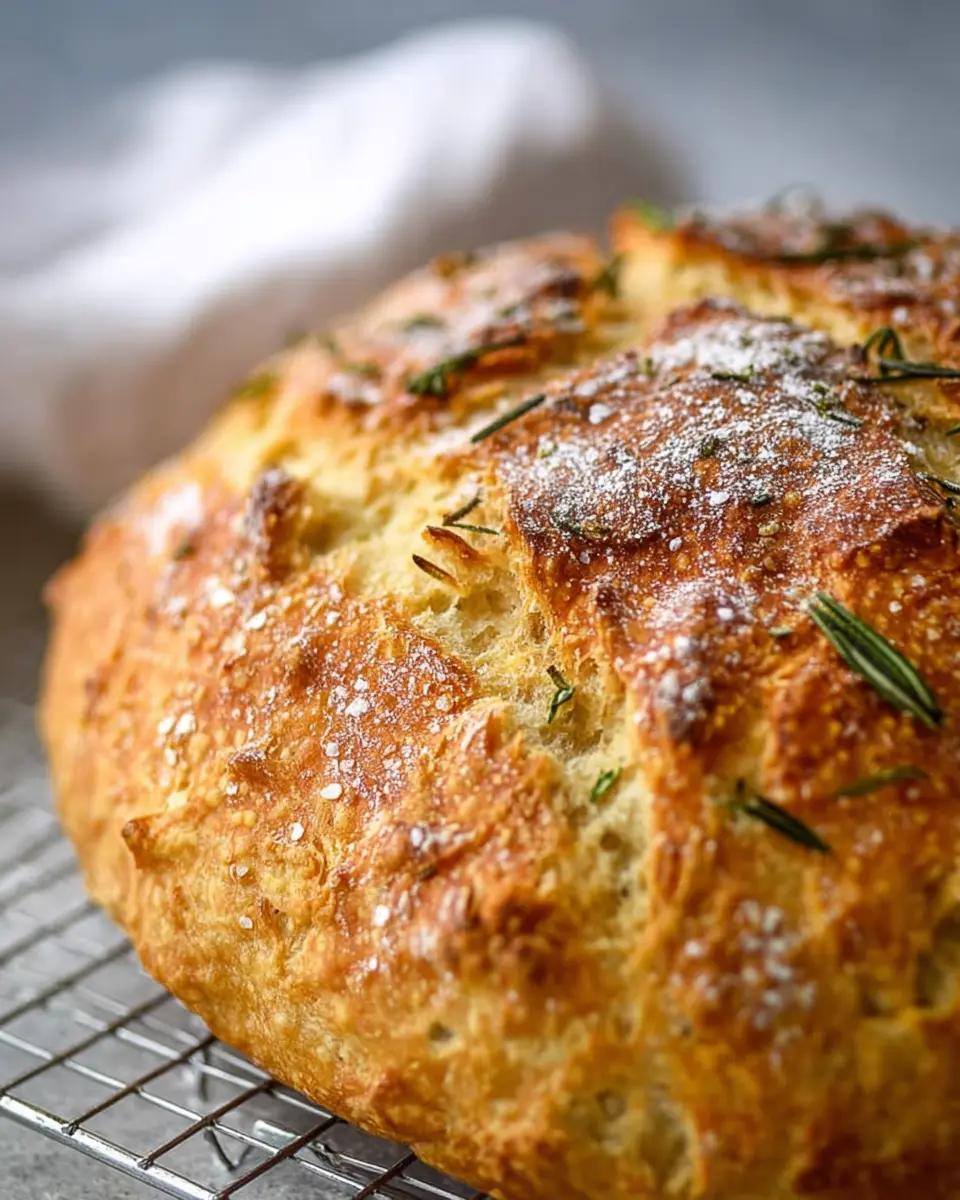
Variations of No-Knead Rosemary Sea Salt Bread
Making no-knead rosemary sea salt bread is an enjoyable experience, and the beauty of this recipe lies in its versatility! Here are some fun variations to take your bread to the next level.
Adding garlic for an extra zing
For those who crave a little more flavor, consider mixing in minced garlic. Add about 2-3 cloves of fresh garlic when combining the dry ingredients. This will infuse your bread with a delightful aroma and a robust taste that pairs perfectly with those savory notes of rosemary. Plus, it’s a fantastic way to impress your friends at dinner parties!
Experimenting with different herbs
Don’t be afraid to get creative with your herb choices! Instead of just rosemary, try adding a blend of thyme, oregano, or even dill. Each herb brings a unique flavor profile, allowing you to customize your no-knead bread to match your meals or personal preferences. Tailoring your bread has never been easier, and it’s a great way to explore new tastes. For inspiration, check out this Herbs in Cooking guide and discover a variety of herbs to enhance your baking adventures.
With these variations, your no-knead rosemary sea salt bread is sure to be a standout at any table! Happy baking!
Cooking Tips and Notes for No-Knead Rosemary Sea Salt Bread
Best Practices for Dough Handling
When working with your dough for no-knead rosemary sea salt bread, remember that less is more. Handle the dough gently; overworking can deflate those lovely bubbles. Use a spatula or your hands to bring everything together without kneading—it’s all about that slow rise! For a nice shape, use well-floured surfaces. Dust your hands with flour to prevent sticking, and enjoy the simple, therapeutic process of bread-making.
Storage Suggestions for Freshness
To keep your no-knead rosemary sea salt bread fresh and delicious, store it at room temperature in a paper bag for up to 3 days. If you need to keep it longer, wrap it in plastic wrap and place it in the freezer—this bread actually gets better with age. When you're ready to enjoy it again, simply toast it for a crispy exterior and warm interior! For more tips on bread storage, check out King Arthur Baking.
By incorporating these tips, you'll enhance your experience and savor the delightful flavors of your homemade bread!
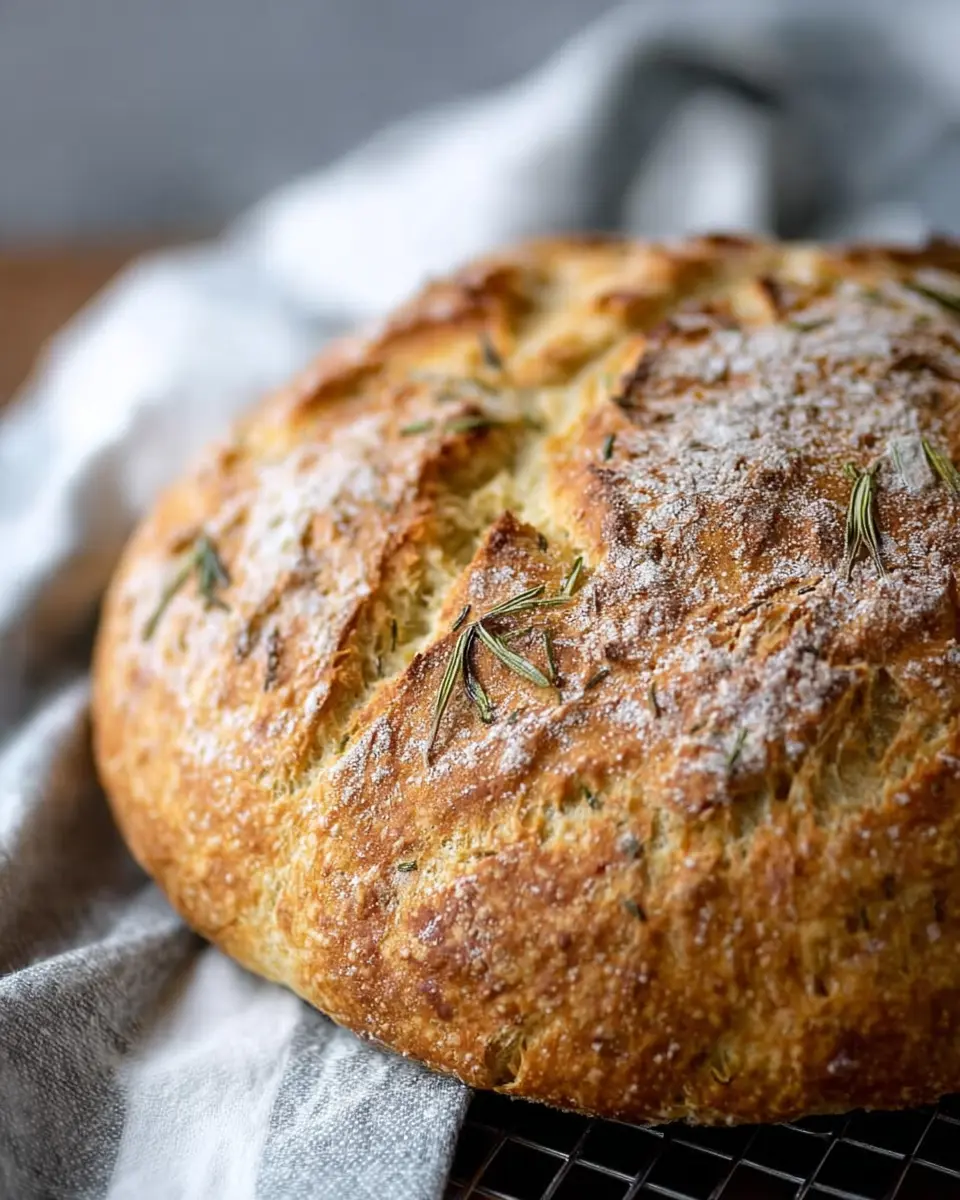
Serving Suggestions for No-Knead Rosemary Sea Salt Bread
Enjoying with Your Favorite Dips
Your no-knead rosemary sea salt bread pairs beautifully with a variety of dips. Think of rich hummus, zesty olive tapenade, or a classic spinach-artichoke dip. Each bite becomes a flavor adventure! For a gourmet touch, try a balsamic reduction or a simple olive oil and balsamic vinegar mix. The combination of textures and tastes will elevate your snacking experience, making your gatherings extra special.
Pairing with Homemade Soups and Salads
There's something magical about enjoying fresh bread with warm soup or crisp salads. Imagine tearing off a piece of your freshly baked no-knead rosemary sea salt bread and dipping it into a creamy tomato basil soup. Alternatively, serve it alongside a revitalizing Mediterranean quinoa salad. The earthy notes of rosemary in the bread add a delightful depth of flavor that complements your meal perfectly. This dynamic duo is not just delicious; it's also a comforting treat for those chilly evenings! For more pairing ideas, explore this guide on bread pairings.
Time Breakdown for No-Knead Rosemary Sea Salt Bread
When you want to make the perfect no-knead rosemary sea salt bread, understanding the time commitment is essential. Here's how it breaks down:
Prep Time
Get started with approximately 2 hours and 30 minutes. This includes gathering your ingredients, mixing the dough, and letting it proof for the first rise.
Rising Time
The no-knead rosemary sea salt bread requires about 12 hours for the dough to rise. Don’t rush this; it’s crucial for developing that amazing flavor!
Baking Time
After all that waiting, you’ll need just 25 minutes in the oven to achieve that golden crust and soft interior.
Total Time
All together, you're looking at roughly 14 hours and 55 minutes from beginning to end, with most of it being hands-off time. Just imagine the aroma wafting through your kitchen while it rises!
This long process is well worth it when you pull that beautiful loaf out of the oven. If you're curious about bread-making techniques, check out King Arthur Baking’s expert tips to deepen your baking knowledge!
Nutritional Facts for No-Knead Rosemary Sea Salt Bread
When enjoying your no-knead rosemary sea salt bread, it’s good to be aware of its nutritional benefits. Here’s a quick look at what’s in a typical serving:
Calories
A single slice of this delicious bread contains approximately 130 calories, making it a satisfying choice without going overboard.
Carbohydrates
With around 24 grams of carbohydrates per slice, this bread is perfect for those who love carbs but also want to indulge moderately. Carbs fuel your body, especially if you’re leading an active lifestyle.
Protein
You’ll find about 4 grams of protein in each slice, providing a nice little boost to help keep you energized throughout the day. This makes it a great pairing with your favorite toppings, like turkey bacon or chicken ham.
This tasty bread isn’t just a savory treat; it also offers nutrients that complement a balanced diet. For more detailed nutritional insights, you might want to explore credible sources like the USDA FoodData Central.
FAQs about No-Knead Rosemary Sea Salt Bread
Why is it called no-knead?
The term no-knead refers to a revolutionary baking technique that significantly simplifies the bread-making process. Instead of laboriously kneading the dough, this method relies on a long fermentation period to develop gluten and flavor. By mixing your ingredients and letting them rest, the dough undergoes natural fermentation. This not only enhances its taste but also results in a beautifully rustic texture. It’s perfect for busy professionals who crave homemade bread without the fuss!
How can I make this bread gluten-free?
To make this no-knead rosemary sea salt bread gluten-free, simply substitute regular flour with a gluten-free all-purpose blend. Look for brands that contain xanthan gum or add your own to help achieve the desired texture. Do note that the bread may not rise as high, but it will still deliver on flavor! For tips on gluten-free baking, you can check the Celiac Disease Foundation.
Can I use different herbs?
Absolutely! While rosemary adds a delightful aroma and flavor to this bread, feel free to experiment with other herbs like thyme, oregano, or even a mix for a unique twist. Just be mindful of the taste balance, and adjust the amounts according to your preference. It's all about making this recipe your own!
Conclusion on No-Knead Rosemary Sea Salt Bread
Embracing the joy of bread-making
As you savor each bite of no-knead rosemary sea salt bread, remember that the process is just as rewarding as the outcome. This effortless method allows you to unleash your inner baker, creating a delightful, crusty loaf right in your own kitchen. So, gather your ingredients, invite some friends, and enjoy this aromatic bread that fills your home with warmth. Happy baking!

No-Knead Rosemary Sea Salt Bread
Equipment
- Dutch oven
- mixing bowl
- whisk
- parchment paper
- Sharp Knife
Ingredients
Dough Ingredients
- 1 cup warm water (110 degrees F)
- 1 tablespoon sugar
- 1 package active dry yeast (about 2¼ teaspoons)
- 1.5 cups all-purpose flour
- 0.5 cup bread flour (more for kneading, optional)
- 2 tablespoons fresh rosemary (finely chopped)
- 0.5 teaspoon sea salt
- 0.25 teaspoon black pepper
- 2 tablespoons extra virgin olive oil
- 1 teaspoon coarse sea salt for sprinkling
Instructions
Preparation Steps
- Combine the warm water, sugar, and yeast in a small bowl. Let sit for 10 minutes to proof.
- In a large bowl, whisk together the flours, rosemary, black pepper, and salt. Add the yeast mixture together with the olive oil. Mix until just combined and the dough starts to form.
- Cover the dough with a towel and place it in a warm area and let rise slowly, at least 10 to 12 hours or overnight.
- Once the dough has risen, punch it down and transfer to a lightly floured surface. Form into a round loaf.
- Place the dough on parchment paper. Cover the loaf with a damp towel and let rise for another 45 minutes.
- About 30 minutes into the dough rising, preheat the oven to 450 degrees F. Place a dutch oven into the oven to heat up.
- Once the dough has risen, cut two to three slices across the top of the loaf and sprinkle with coarse sea salt.
- Carefully transfer the loaf with parchment on the bottom into the preheated dutch oven. Bake covered for 45 minutes, then remove the lid and bake until the top is golden brown, about 15 minutes.
- Remove bread from oven and let cool slightly before slicing.




Leave a Reply