
Introduction to Vietnamese Pho Recipe
The allure of homemade Vietnamese Pho
There's something truly enchanting about the aroma wafting from a pot of simmering Vietnamese Pho. This beloved dish is more than just a bowl of soup; it’s a comforting tradition that brings people together around the dining table. Whether it’s the rich depth of the broth or the tantalizing array of fresh ingredients, making your own pho at home is an experience that elevates any meal.
Imagine the warmth of having friends over, sharing stories over bowls of steaming, fragrant pho. As you sip the perfectly seasoned broth, the delicate slices of beef just cooked to tender perfection, you’ll understand why this dish holds such a special place in many hearts. Plus, the process of creating your own pho allows you to tailor the flavors and ingredients to your liking. Want it spicier? Add more sriracha. Prefer a fragrant twist? Toss in some extra herbs.
For an easy-to-follow guide, our complete Vietnamese Pho recipe walks you through each step. You'll uncover the secrets behind that crystal-clear broth, packed with flavor, sure to impress your guests. Ready to dive into the world of Vietnamese cooking? Let’s get started!
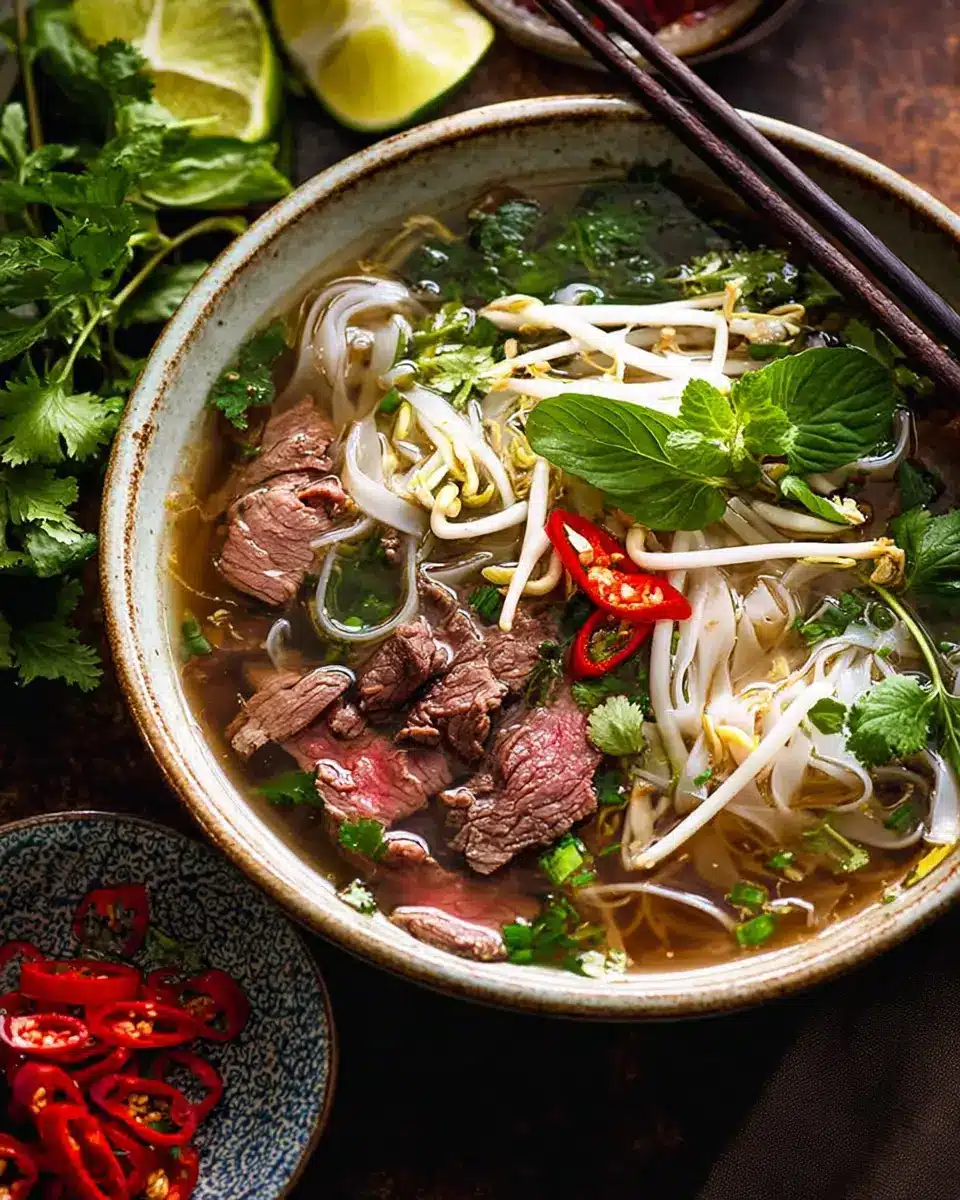
Ingredients for Vietnamese Pho
Creating a comforting bowl of Vietnamese Pho starts with these essential ingredients. Every component plays a role in crafting that rich, delicious broth that everyone loves.
Aromatics
For aromatic depth, you'll need:
- 2 large onions, halved
- 150g ginger, sliced down the center
These ingredients provide a foundational flavor that sets the stage for the rest of your soup.
Spices
The magic happens with spices. Gather:
- 10 star anise
- 4 cinnamon quills
- 4 cardamom pods
- 3 cloves
- 1.5 tablespoon coriander seeds
These spices will infuse the broth with warmth and complexity that's truly exquisite.
Beef Bones
To achieve that rich, beefy flavor, you'll need:
- 1.5kg beef brisket
- 1kg meaty beef bones
- 1kg marrow bones, cut to reveal marrow
The combination of these bones creates a hearty base for your Pho broth.
Seasoning
Balance your broth with seasoning:
- 2 tablespoon white sugar
- 1 tablespoon salt
- 40 ml fish sauce
This blend adds the right amount of savory sweetness.
Noodle Soup Components
For each bowl of noodle soup, include:
- 50g dried rice sticks (or 120g fresh)
- 30g raw beef tenderloin, very thinly sliced
- 3-5 brisket slices
These elements bring the heart of the dish: the noodles and tender beef.
Toppings
Finally, elevate your Vietnamese Pho with fresh toppings like:
- Handful of beansprouts
- 3-5 sprigs of Thai basil and coriander/cilantro
- Lime wedges
- Thinly sliced red chili
- Hoisin sauce and Sriracha for a bit of kick
These fresh garnishes not only add color but also a burst of flavor that enhances the entire dish. Dive into this delectable experience, and soon you’ll be crafting your own perfect Vietnamese Pho recipe. For an in-depth look at the cooking process, don’t forget to check out our step-by-step guide!
Step-by-Step Preparation of Vietnamese Pho
Making a quality Vietnamese Pho recipe might seem like a daunting task, but with a little bit of patience and the right approach, you’ll find it’s quite manageable! Let's break it down step-by-step.
Prepare the aromatics
To kick things off, you'll need to enhance the flavor of your broth with some punchy aromatics. Start by heating a heavy-based skillet over high heat until it’s smoking—this is crucial for that charred flavor. Place two halved large onions and 150g of sliced ginger in the pan, cut side down. Allow them to char for a few minutes before turning until they are beautifully caramelized and fragrant. While you're at it, toast 10 star anise, 4 cinnamon quills, 4 cardamom pods, 3 cloves, and 1.5 tablespoons of coriander seeds in a separate dry skillet over medium-high heat for about 3 minutes. This will awaken the beautiful and complex flavors that define your pho!
Rinse and prepare the beef
Before you dive into the broth-making process, you’ll need to remove any impurities from your beef bones and brisket. Rinse 1.5kg of beef brisket and 1kg of meaty bones under cold water. Place them in a large stock pot, cover with water, and bring to a boil for about 5 minutes. Drain the water and give the bones and brisket another rinse under the tap. This ensures that your broth is as clear and clean as possible.
Make the broth
Now, let’s get that broth simmering. Wipe the pot clean, then add 3.5 liters of fresh water along with your rinsed bones and brisket. Toss in the charred onions, ginger, and your toasted spices, followed by 2 tablespoons of white sugar and 1 tablespoon of salt. You want the water to just barely cover everything. Cover the pot and let it simmer gently for 3 hours. Keep an eye on it, and if you notice any scum forming on the surface, skim it off for a better taste.
Strain and season the broth
Once the brisket is tender enough to fall apart, pull it out and let it cool. For a truly flavorful broth, continue simmering the remaining soup, uncovered, for another 40 minutes. After this, strain the broth into another pot, discarding the solids. You should typically have about 2.5 liters left. Now, it's time to adjust the flavors! Stir in 40ml of fish sauce and taste your broth; add more salt and sugar as needed. It should be a fragrant, beefy delight!
Assemble the Pho bowls
Finally, onto the best part—assembly! Prepare your dried rice noodles according to package instructions. In a bowl, place a serving of noodles, then top with very thinly sliced raw beef tenderloin (about 30g per bowl) and a few slices of your reserved brisket. Ladle about 400ml of hot broth over it, which will gently cook the raw beef to a perfect medium-rare. Serve your pho with toppings on the side like beansprouts, fresh Thai basil, coriander, lime wedges, and your favorite hot sauces—hoisin and sriracha.
Enjoy this delicious bowl of homemade Vietnamese Pho, and don’t be surprised if it becomes a staple in your weekly dinner rotation! For more inspiration, check out this guide on the history of Pho.
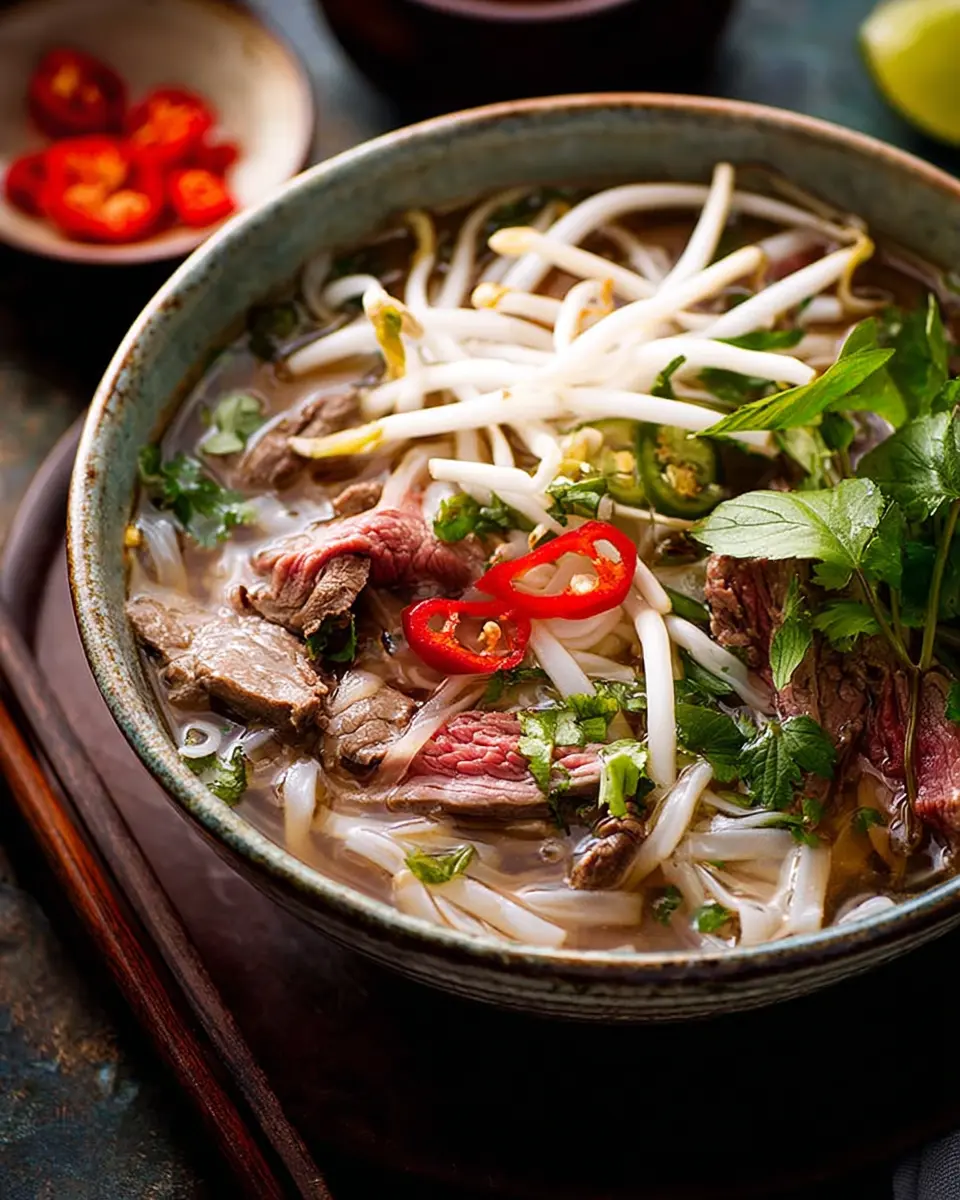
Variations on Vietnamese Pho
Vegetarian Pho Options
If you’re leaning towards a plant-based lifestyle or simply crave a lighter dish, vegetarian pho can be just as satisfying! Start with a rich vegetable broth infused with aromatics like onions, ginger, and your choice of veggies, giving it a layered flavor. You can add tofu for protein, and top it off with fresh herbs, crispy bean sprouts, and a squeeze of lime. Check out this vegetarian pho recipe for inspiration.
Chicken Pho Alternatives
For those who prefer poultry, a delightful twist on the classic is chicken pho. Swap the beef for tender poached chicken or sliced chicken thighs, simmering them in a similar aromatic broth. This alternative is lighter but equally flavorful and can be garnished with jalapeños, cilantro, and basil for that quintessential pho experience. Want to dive deeper? Explore this flavorful chicken pho recipe for a comforting meal.
These variations on Vietnamese pho keep the essence of the dish alive while catering to different dietary preferences!
Cooking Tips and Notes for Vietnamese Pho
Choosing the Right Beef Cuts
When crafting your Vietnamese Pho recipe, selecting the right cuts of beef is crucial. I recommend using a combination of brisket for tenderness and meaty bones for depth of flavor. The brisket adds a lovely, soft texture, while bones like knuckle or marrow impart a rich, beefy essence to the broth. Don't hesitate to ask your butcher for guidance; they can often suggest great alternatives that suit your needs!
Importance of Simmering Time
Never rush the simmering process! A good broth takes time, and in this case, patience is your best friend. The longer you simmer, the more flavors are extracted from the bones and spices, culminating in that unforgettable, fragrant broth. Aim for a minimum of three hours; if you have a bit more time, simmering even longer can enhance the taste even further. Trust me, the results will be worth it!
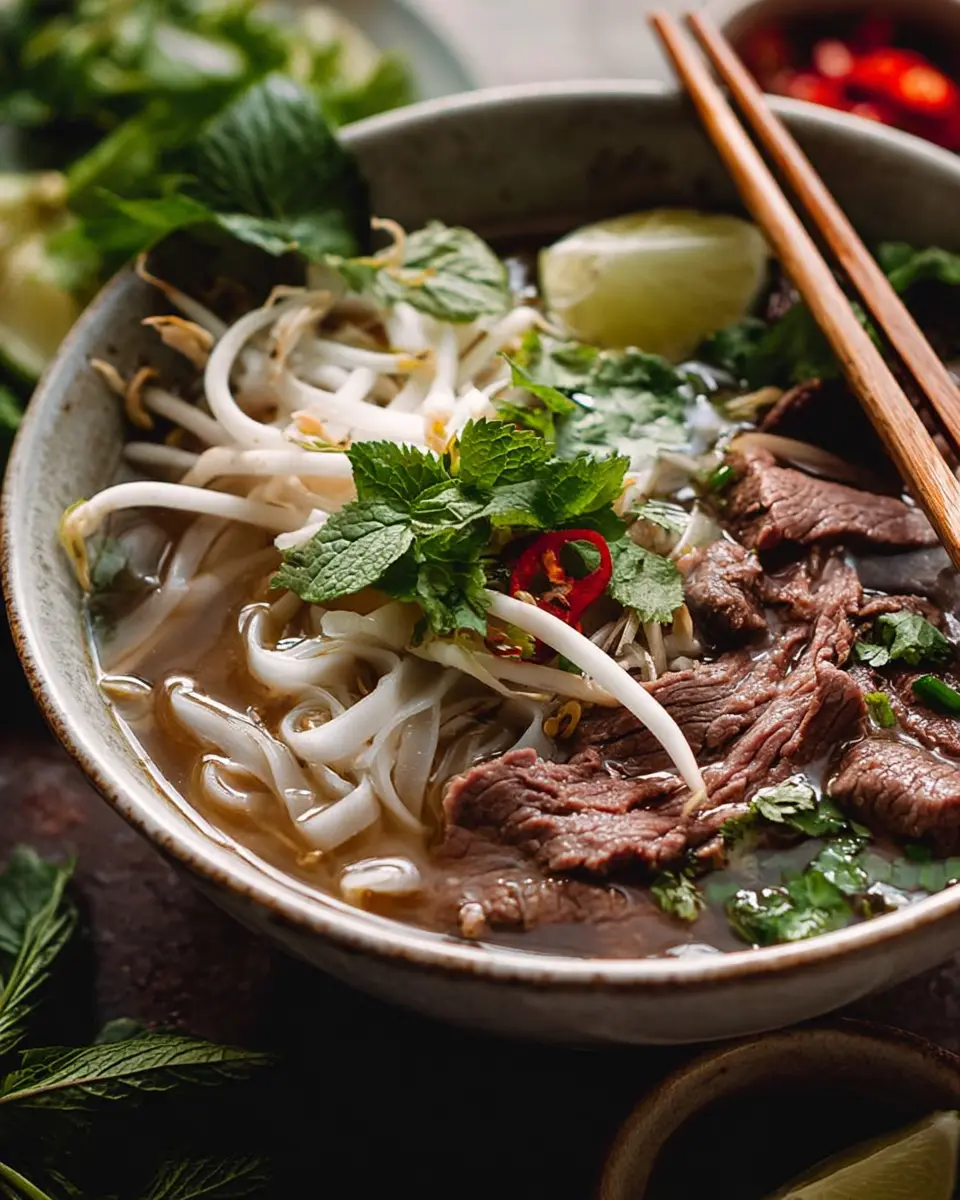
Serving Suggestions for Vietnamese Pho
Garnishes to enhance your Pho
To elevate your Vietnamese Pho recipe, garnishing is key! Fresh ingredients like beansprouts, Thai basil, and coriander add vibrant flavor and texture. Squeeze in some lime wedges for a zesty kick, and don’t forget finely sliced red chili if you enjoy heat. Tapioca chips or crispy shallots can also bring a delightful crunch to each bite. Customizing toppings lets you personalize your bowl, making each serving unique and delicious.
Pairing sides for a complete meal
For a rounded dining experience, consider pairing your pho with spring rolls or a refreshing green papaya salad. These light accompaniments contrast beautifully with the rich broth, creating a balanced meal. Craving something heartier? Try serving your pho alongside Vietnamese-style pancakes or shrimp fried rice. These side dishes will not only enhance your experience but also transport you straight to Vietnam with every delicious bite.
Time Breakdown for Vietnamese Pho
Preparation time
Getting everything ready for your Vietnamese Pho recipe is quite straightforward! You'll spend about 20 minutes gathering and prepping your ingredients.
Cooking time
The magic happens during the 3 hours of simmering the broth, allowing all those wonderful flavors to meld perfectly.
Total time
All in all, you’re looking at a 3 hours and 20 minutes endeavor for a dish that will impress everyone at the table. Trust me, it’s worth every minute!
For more tips on preparing homemade pho, check out this Pho recipe guide. Cooking pho at home can become a delightful ritual in your kitchen!
Nutritional Facts for Vietnamese Pho
Calories
A bowl of Vietnamese pho typically contains around 350-450 calories, depending on the ingredients used and portion size. This makes it a satisfying yet balanced option for a meal that’s both comforting and nourishing.
Protein
Each serving provides about 25-30 grams of protein, making it a great source for maintaining muscle and supporting overall health. The combination of beef and noodles offers a hearty protein boost that can keep you feeling full longer.
Sodium
While Vietnamese pho can be delicious, it's essential to be mindful of sodium content, which usually ranges from 800 to 1,200 mg per bowl. This variability depends on the amount of fish sauce and salt added, so feel free to adjust to suit your taste and health needs.
For more detailed health insights, you can check out Healthline’s nutrition profile on pho, and to better understand the benefits of its ingredients, visit NCBI for a deeper dive into the health aspects of traditional Vietnamese cuisine.
FAQs about Vietnamese Pho
Can I use store-bought broth?
Absolutely! While homemade broth is undeniably rich, using store-bought broth can save you time and still deliver delicious results. Just be sure to choose a high-quality beef broth for the most authentic flavor in your Vietnamese Pho recipe. You might want to enhance it with a few extra spices or aromatics to mimic that traditional taste.
How do I store leftover Pho?
If you have leftovers, storing them properly will keep your Pho enjoyable for days. Separate the broth from the noodles and toppings. Store the broth in an airtight container in the fridge for up to 3-4 days or freeze for longer shelf life. Noodles can be kept in the fridge for up to 2 days. When you're ready to enjoy your Vietnamese Pho again, just reheat the broth, add fresh noodles, and top with your favorite ingredients.
What can I substitute for the fish sauce?
If you're looking for a substitute for fish sauce, try using soy sauce or tamari for a vegetarian option. You can also mix soy sauce with a few drops of lime juice and a sprinkle of sugar to mimic that savory-sweet depth typical in a traditional Pho recipe. Remember, while these alternatives won't replicate the exact flavor, they can still provide delicious results!
Conclusion on Vietnamese Pho Recipe
In summary, this Vietnamese Pho recipe is an inviting culinary adventure you can savor at home. With its fragrant broth and customizable toppings, it's perfect for gatherings or a cozy night in. Embrace the process, enjoy the flavors, and don’t forget to share a bowl with friends!
Vietnamese Pho recipe
Equipment
- heavy based skillet
- large stock pot
Ingredients
Aromatics
- 2 large onions halved
- 150 g ginger sliced down the centre
Spices
- 10 star anise
- 4 cinnamon quills
- 4 cardamon pods
- 3 cloves (the spice cloves!)
- 1.5 tablespoon coriander seeds
Beef bones
- 1.5 kg beef brisket
- 1 kg meaty beef bones
- 1 kg marrow bones (leg, knuckle), cut to reveal marrow
- 3.5 litres water (15 cups)
Seasoning
- 2 tablespoon white sugar
- 1 tablespoon salt
- 40 ml fish sauce
Noodle Soup - PER BOWL
- 50 g dried rice sticks (or 120g/4oz fresh)
- 30 g beef tenderloin raw, very thinly sliced
- 3 - 5 brisket slices (used for broth)
Toppings
- 1 handful beansprouts
- 3 - 5 sprigs Thai basil
- 3 - 5 sprigs coriander/cilantro (or more basil)
- lime wedges
- finely sliced red chilli
- hoisin sauce
- sriracha (for spiciness)
Instructions
Aromatics
- Heat a heavy based skillet over high heat (no oil) until smoking.
- Place onion and ginger in pan cut side down. Cook for a few minutes until it's charred, then turn. Remove and set aside.
- Toast Spices lightly in a dry skillet over medium high heat for 3 minutes.
Remove impurities
- Rinse bones & brisket then cover with water in large stock pot.
- Boil for 5 minutes, then drain.
- Rinse each bone and brisket under tap water.
Broth
- Wipe pot clean, bring 3.5 litres / 3.75 quarts water to boil.
- Add bones and brisket, onion, ginger, Spices.
- Add onion, ginger, Spices, sugar and salt - water should just barely cover everything.
- Cover with lid, simmer 3 hours.
- Remove brisket (should be fall-apart tender), cool then refrigerate for later.
- Simmer remaining soup UNCOVERED for 40 minutes.
- Strain broth into another pot, discard bones and spices. Should be about 2.5 litres / 2.65 quarts (10 cups), if loads more, reduce.
- Add fish sauce, adjust salt and sugar if needed. Broth should be beefy, fragrant with spices, savoury and barely sweet.
Assemble
- Prepare rice noodles per packet, just prior to serving.
- Place noodles in bowl. Top with raw beef and brisket.
- Ladle over about 400 / 14 oz hot broth - will cook beef to medium rare.
- Serve with Toppings on the side!
Leave a Reply