
Introduction to Nigerian Peanut Stew
Why Nigerian Peanut Stew is a Game Changer for Homemade Meals
Are you looking to spice up your weeknight dinners? Look no further than Nigerian Peanut Stew! This rich, flavorful dish combines the earthiness of peanuts with tender cuts of meat, aromatic spices, and colorful vegetables, making it a true crowd-pleaser. The unique blend of ingredients transforms an ordinary meal into an extraordinary experience.
Why is Nigerian Peanut Stew such a game changer for homemade meals? For one, it’s incredibly versatile. Whether you prefer chicken, beef, or even a vegetarian twist, this stew adapts seamlessly to your tastes. Plus, the cooking process is intuitive and fosters creativity. Don't have a specific ingredient? Feel free to substitute or mix and match!
As you make this stew, you’ll also notice the health benefits of its primary ingredient—peanuts. They’re packed with protein, healthy fats, and essential nutrients that can delight your palate while nourishing your body. Additionally, the long cooking time allows flavors to meld beautifully, resulting in a rich and satisfying meal that you’ll crave time and again.
If you’re ready to elevate your cooking game, join me in discovering the joys of Nigerian Peanut Stew. Get your ingredients ready, and let’s dive in!
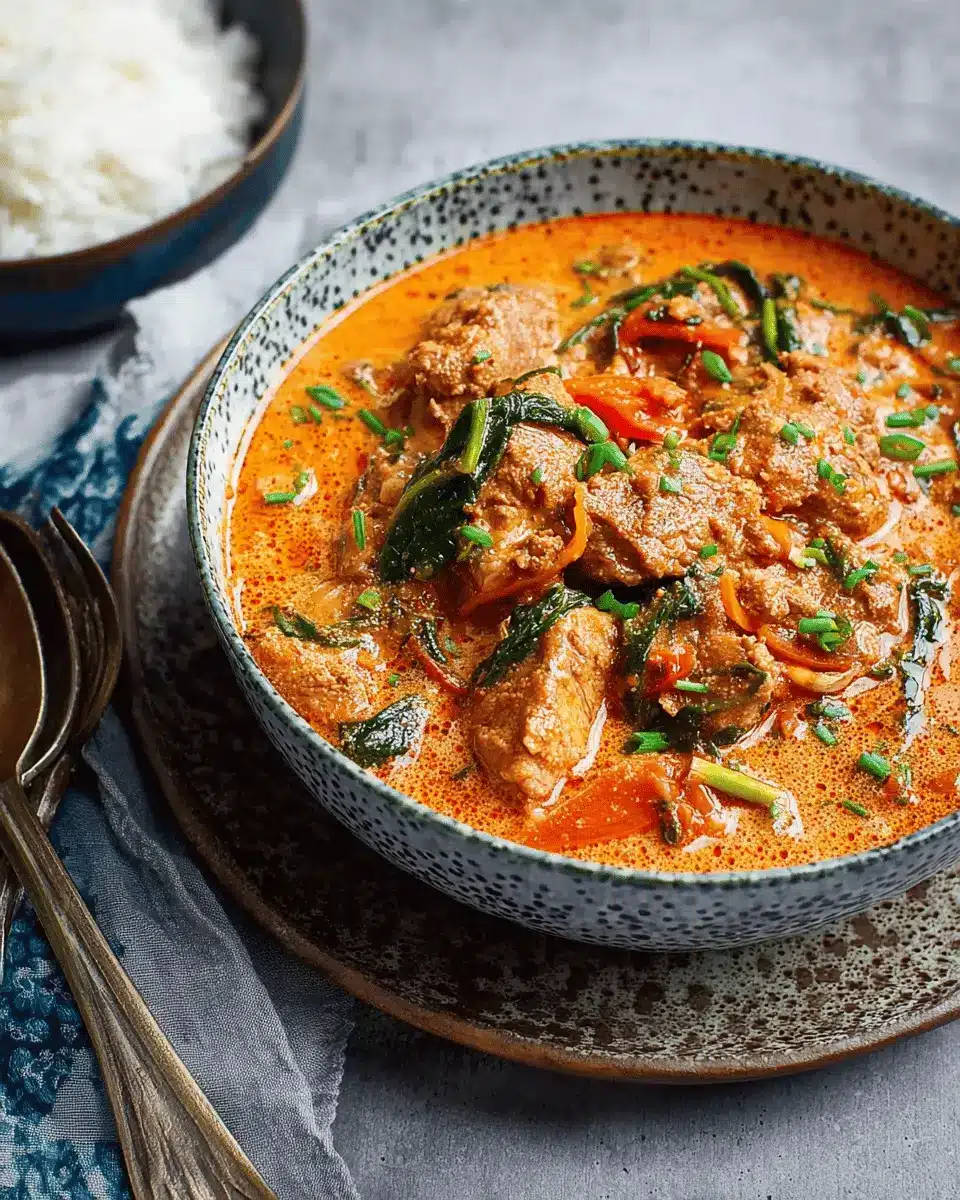
Ingredients for Nigerian Peanut Stew
Key Ingredients for a Rich Flavor
Creating an unforgettable Nigerian Peanut Stew begins with selecting the right ingredients. Here’s what you need for a robust flavor:
- Raw shelled red-skin peanuts: These are the heart of the dish, providing the creamy, nutty base.
- Kosher salt: Essential for enhancing flavor; use Diamond Crystal for the best results.
- Chicken stock or low-sodium chicken broth: Adds a rich depth, making the stew more flavorful. Check out this homemade chicken stock recipe for an excellent option.
- Fresh ginger and garlic: These aromatic staples bring warmth and depth of flavor.
- Chopped vegetables: Onions, red bell pepper, and tomatoes create a savory backdrop that balances the richness of the peanuts.
Optional Ingredients for Extra Heat and Texture
If you love a little spice in your life, consider adding these options to your Nigerian Peanut Stew:
- Scotch bonnet or habanero pepper: For a fiery kick that energizes the dish.
- Nigerian dry red pepper flakes: Sprinkle in for an additional layer of heat.
- Carrots and bok choy: Add texture and freshness, making your stews not just tasty but also vibrant.
Feel free to personalize this recipe with your favorite ingredients or those you have on hand!
Step-by-Step Preparation of Nigerian Peanut Stew
Creating a warm and comforting bowl of Nigerian peanut stew takes some time and attention to detail, but it’s a rewarding experience. Follow these steps to prepare a delicious stew that bursts with flavor and is perfect for sharing with friends and family.
Soaking the Peanuts
Start by rinsing 1 cup of raw shelled peanuts under cold running water. This simple step helps remove dirt and impurities. After rinsing, transfer them to a large heat-proof bowl, sprinkle in 1 teaspoon of kosher salt, and cover with boiling water—allowing them to soak at room temperature. Let the peanuts soak for at least an hour or up to 12 hours until they sink and the water cools down.
Roasting the Peanuts
Preheat your oven to 350°F (175°C) and lay a clean kitchen towel on a rimmed baking sheet. Once your peanuts have soaked, drain and dry them with a towel. Place the peanuts on the baking sheet and roast for about 25 minutes, stirring occasionally until they turn light golden brown and become fragrant. Keep an ear out for those delightful pops as they roast!
Preparing the Nut Paste
After roasting, let your peanuts cool for about 10 minutes. Next, use a kitchen towel to rub off the skins—this might get a little messy, but enjoy the process! Once the skins are removed, place the peanuts in a blender with 1 cup of chicken broth and blend until smooth. You'll notice a creamy texture forming, which adds a fantastic depth to your Nigerian peanut stew.
Marinating the Meats
While the nut paste cools, prepare the meat. In a large bowl, mix together 1 tablespoon of salt, grated ginger, minced garlic, dried thyme, and black pepper. Add 1 pound each of boneless chicken thighs and beef, ensuring that everything is well-coated with the marinade. Let this sit to allow those flavors to meld together.
Sautéing and Browning the Meat
In a heavy-bottomed pot, heat 2 tablespoons of peanut oil over medium-high heat. Once shimmering, carefully add your marinated meat. Cook until browned, about 10 to 15 minutes. This step builds a foundation of flavor—don’t rush it!
Cooking the Stew Base
Once your meat is browned, set it aside and in the same pot, add a bit more oil along with diced onions and bay leaves, cooking until soft. Then pour in 2 cups of chicken broth, scraping up any flavorful bits stuck to the pot. Bring this to a boil and reduce the heat to a simmer after adding your blended vegetable mixture.
Incorporating the Nut Paste
Take 1 cup of the cooking liquid and whisk it into the peanut paste until smooth. This creates a rich, nutty blend—perfect for the stew! Return this back to the pot along with the browned meat and additional broth, stirring well.
Adding Vegetables and Finishing Touches
Now, it’s time to incorporate your vegetables! Toss in sliced carrots and baby bok choy and cook until tender. As everything mingles together, let the stew reach that creamy consistency you desire. For the perfect finish, check the seasoning and adjust if necessary.
Serve your Nigerian peanut stew warm over plain rice or alongside fried Nigerian plantains for a truly comforting meal. Enjoy the flavors of West Africa right in your home!

Variations on Nigerian Peanut Stew
Vegetarian Adaptations
For a delightful vegetarian twist on Nigerian Peanut Stew, simply omit the meat and sauté a medley of your favorite vegetables, like bell peppers, sweet potatoes, and mushrooms. You could also incorporate plant-based protein sources, such as lentils or chickpeas, for added texture and nutrition. The creamy peanut sauce will still create a rich, hearty stew that’s satisfying and full of flavor.
Alternative Protein Choices
If you're looking for alternative protein choices, consider using turkey bacon or chicken ham. Both options add a savory depth without overwhelming the dish's essence. Alternatively, why not try tempeh for a vegan-friendly protein? It's rich in nutrients and absorbs flavors beautifully, making it a fantastic addition to any variation of Nigerian Peanut Stew.
Cooking Tips and Notes for Nigerian Peanut Stew
Essential Cooking Equipment
To make the perfect Nigerian Peanut Stew, you’ll need some essential kitchen tools:
- Heavy-bottomed pot or Dutch oven: For even cooking and preventing sticking.
- High-powered blender: For smoothly puréeing peanuts and vegetables.
- Colander and kitchen towel: For rinsing and drying peanuts effectively.
- Wooden spoon: Ideal for stirring and scraping the bottom of the pot to avoid burning.
Common Mistakes to Avoid
- Skipping the soaking step: Allowing peanuts to soak ensures they become tender and blend smoothly.
- Not adjusting spice levels: Remember, you can control the heat in your stew by adjusting the Scotch bonnet or habanero peppers.
- Rushing the cooking: Patience is key! Make sure to simmer long enough for the flavors to meld beautifully. For more tips on blending spices, check out this guide by Serious Eats.
Enjoy your cooking adventure!
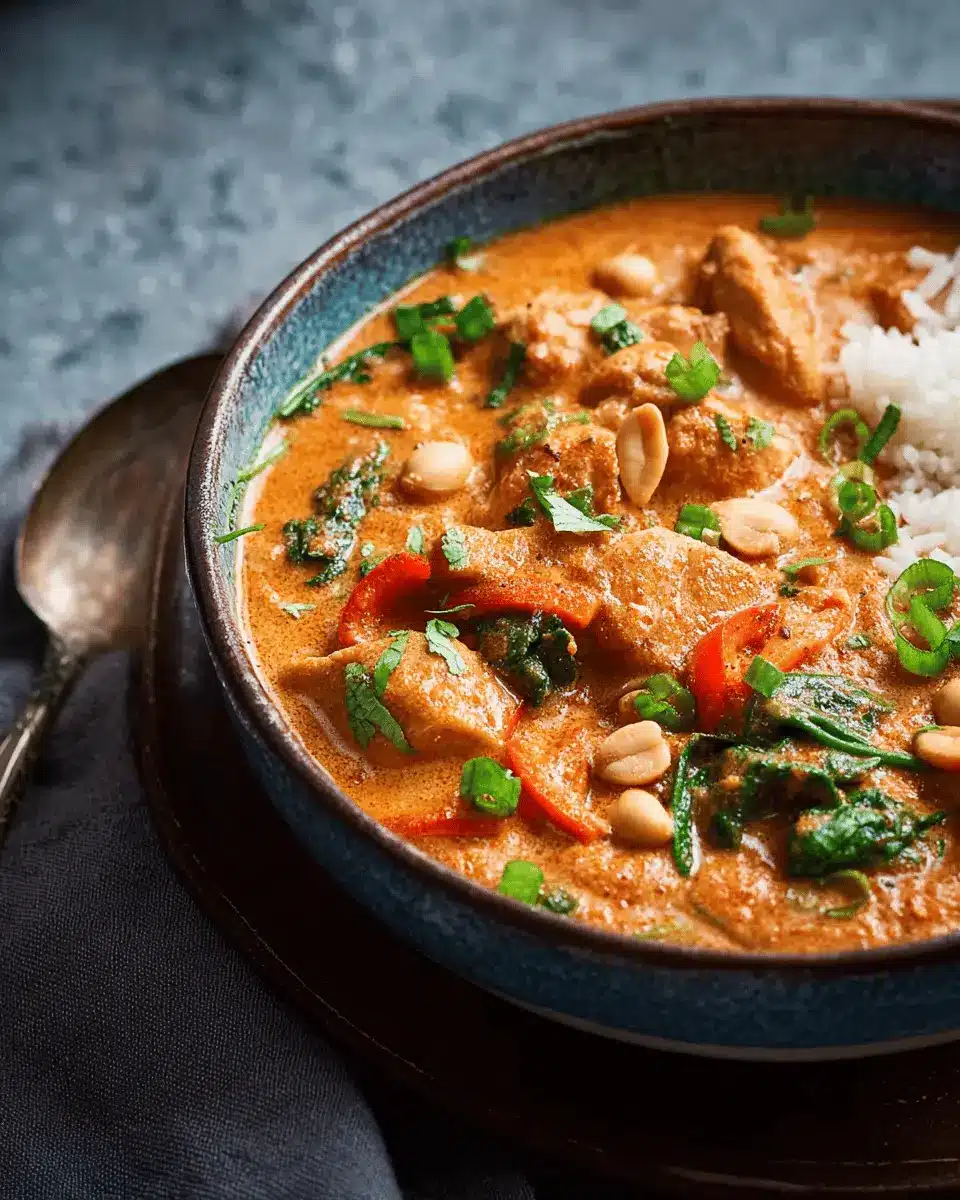
Serving Suggestions for Nigerian Peanut Stew
Best Side Dishes to Pair With the Stew
To fully savor your Nigerian Peanut Stew, consider serving it with these delightful sides:
- Plain Rice: The classic choice that soaks up the rich flavors.
- Dodo (Fried Nigerian Plantains): Their sweetness beautifully balances the stew’s spice.
- Flatbreads: Try naan or roti for a perfect accompaniment.
These options not only enhance the meal but also bring a touch of authenticity to your dining experience.
Creative Ways to Enjoy Leftovers
Don’t let any of that delicious stew go to waste! Here are some inventive ideas for Nigerian Peanut Stew leftovers:
- Stir into Scrambled Eggs: Whip up a quick breakfast by mixing leftover stew with eggs for a flavorful scramble.
- Stuffed Sweet Potatoes: Fill baked sweet potatoes with the stew for a hearty lunch.
- Savory Quesadillas: Spread the stew between tortillas, add cheese, and grill for a fusion twist.
These suggestions will keep your meals exciting while minimizing food waste!
Time Breakdown for Nigerian Peanut Stew
Prep Time
Get started on your culinary adventure with just 15 minutes of prep! This includes gathering ingredients and soaking the peanuts, which will aid in creating that perfect creamy texture.
Cook Time
Once the prep is done, your delightful Nigerian Peanut Stew takes about 3 hours and 10 minutes to cook. This may seem lengthy, but the slow simmering allows the flavors to meld beautifully in this vibrant dish.
Total Time
All told, you're looking at a total of 4 hours and 45 minutes from start to finish. This includes soaking and cooling time, ensuring that you'll create a perfectly delicious meal perfect for sharing with family and friends. Enjoy the process of cooking; every minute counts towards a mouth-watering experience!
If you want to dive deeper into the benefits of cooking with fresh ingredients, check out this insightful article on the impact of home cooking.
Nutritional Facts for Nigerian Peanut Stew
Calories per Serving
Enjoying a hearty bowl of Nigerian Peanut Stew typically contains around 400-500 calories per serving, depending on portion size and additional ingredients like rice or fried plantains.
Protein Content
This delicious stew is a protein powerhouse, offering approximately 30-35 grams of protein per serving, thanks to the combination of chicken, beef, and peanuts. It’s a fantastic choice for anyone looking to up their protein intake!
Key Nutrients
Nigerian Peanut Stew is rich in essential nutrients, including:
- Healthy Fats: From peanuts and peanut oil, which provide heart-healthy fats.
- Vitamins: A good source of vitamin A and C from carrots and tomatoes.
- Minerals: Packed with iron, potassium, and phosphorus, contributing to overall health.
Not only is this stew a crowd-pleaser, but it can also be a nutritious option for gatherings! For more health benefits of peanuts, check out this article on Healthline.
FAQs about Nigerian Peanut Stew
Can I make this stew ahead of time?
Absolutely! Nigerian Peanut Stew is perfect for meal prep. It tastes even better the next day as the flavors meld together. Simply allow the stew to cool, then store it in an airtight container in the fridge for up to 4 days. You can also freeze it for up to 3 months. Just reheat slowly on the stove when you're ready to enjoy it again!
How do I adjust spice levels?
If you love heat, keep the Scotch bonnet or habanero pepper in, and feel free to add more chili flakes. For a milder version, you can omit the peppers completely or use less than the recipe calls for. Remember, you can always add spice, but it’s harder to take it away!
What are some good alternatives for peanuts?
If you're allergic to peanuts or just want a different flavor, try using almonds or cashews. Sunflower seed butter is also a great nut-free substitute. Just ensure whatever you choose complements the creamy texture you're aiming for in your stew!
Conclusion on Nigerian Peanut Stew
Embracing Homemade Goodness with Nigerian Peanut Stew
There’s something magical about preparing Nigerian Peanut Stew from scratch. The rich flavors and comforting aromas not only nourish the body but also the soul. This dish is perfect for gatherings or a cozy night in. So grab your ingredients and embrace the joy of cooking!

Nigerian Peanut Stew
Equipment
- colander
- baking sheet
- blender
- large bowl
- Heavy-bottomed Pot or Dutch Oven
Ingredients
Peanuts and Seasoning
- 1 cup raw shelled red-skin peanuts 5 ½ ounces; 160 g
- 5 teaspoons Diamond Crystal kosher salt divided; for table salt use half as much by volume
Broth and Vegetables
- 7 cups homemade chicken stock or low-sodium chicken broth divided; link to recipe available
- 2 medium red onions 1 pound; 453 g
- 1 medium red bell pepper 175 g
- 2 medium plum tomatoes 8 ounces; 225 g
- 1 count Scotch bonnet or habanero pepper stemmed and cut in half (optional)
- 1 4-inch piece fresh ginger about 2 ounces; 60 g
- 4 medium cloves garlic minced
- 1 tablespoon dried thyme
- ½ teaspoon freshly ground black pepper
Meat and Oil
- 5 tablespoons peanut oil divided
- 1 pound boneless, skinless chicken thighs cut into 2-inch pieces
- 1 pound boneless beef chuck cut into 1 ½-inch pieces
- 2 leaf bay leaves
- ½ to 1 teaspoon Nigerian dry red pepper flakes optional
Vegetables for finishing
- 2 medium carrots peeled and cut into coins or chunks (about 1 cup)
- 1 pound baby bok choy leaves pulled apart and rinsed
For Serving (optional)
- Plain rice
- Dodo (fried Nigerian plantains)
- flatbreads
Instructions
Preparation
- In a colander, rinse peanuts well under running cold tap water. Drain and transfer to a large heat-proof bowl and add 1 teaspoon kosher salt, then cover with boiling water by about 2 inches. Cover loosely and let soak at room temperature until all the peanuts sink, have absorbed some water, and the liquid is cooler, at least 1 hour or up to 12 hours.
- Adjust the oven rack to middle position and heat the oven to 350°F (175℃). Lay a clean kitchen towel over a rimmed baking sheet. Drain peanuts under running water, rinse well and transfer the peanuts to the kitchen towel-lined baking sheet and pat to dry.
- Remove the towel and roast the peanuts on the rimmed baking sheet, stirring the peanuts 2 or 3 times during roasting, until lightly golden brown and fragrant, about 25 minutes.
- Once cooled for 10 minutes, remove the peanut skins by using a clean kitchen towel to rub the peanuts vigorously until the skins come off in bits. Transfer to a colander set over a large bowl or tray and shake until most of the skins are removed.
- Discard the skins and transfer the peanuts to a blender jar and add 1 cup broth. Blend on high speed until creamy, about 1 minute. You will have about 2 cups of the pureed peanuts; transfer to a large bowl and set aside. Wash the blender.
- In the now-clean blender, make the stew mix by blending the roughly chopped red onion, bell pepper, tomatoes, half of Scotch bonnet or habanero, if using, and 1 cup broth. Blend on high speed until finely puréed, about 30 seconds; set aside.
- In a large bowl, combine 1 tablespoon salt, ginger, garlic, thyme, pepper, and 1 tablespoon oil. Add the chicken and beef and rub well to season the meat; set aside.
- In a large, heavy-bottomed pot or Dutch oven, heat 2 tablespoons (30ml) oil over medium-high heat until shimmering. Add the sauced meat, and cook, turning occasionally, until browned all over, 10 to 15 minutes. Use a slotted spoon to transfer meat and any bits of ginger and garlic to a bowl.
- Add the remaining 2 tablespoons (30ml) oil to the pot and heat over medium-high heat until shimmering. Add the onion cut into ½ inch pieces, bay leaves, and 1 teaspoon salt and cook, stirring until onion softens, 3 to 4 minutes.
- Add 2 cups broth, stirring with a wooden spoon to remove any bits from the bottom of the pot. Add the remaining Scotch bonnet or habanero half, if using, and bring to a boil, uncovered.
- Stir in the puréed stew mix, and bring to a boil before reducing heat as needed to maintain a simmer and cook, partly covered, for 30 minutes.
- Carefully remove 1 cup of the stew broth and whisk into the reserved peanut paste until well combined. Return the mixture to the pot, stir well, and bring to a boil before returning the meat to the pot, add 3 cups of broth, and season with the remaining 1 teaspoon salt.
- Stir well, and return to a boil before reducing heat to low and simmer, partially covered, adjusting heat as needed to maintain simmer and stirring often, until meat is tender, 60 to 90 minutes. Taste and add dried pepper to taste, if desired.
- Add carrots, stir, and continue to cook until the carrots are just softened, about 8 minutes.
- Add bok choy and the sliced onion. Cover and cook until the bok choy leaves soften and begin to wilt, 2 to 3 minutes.
- Remove the lid, stir and cook until the stew is thick and creamy and onion is just softened, about 5 minutes. Let sit off heat to cool and thicken slightly, about 10 minutes.
- Adjust the stew’s consistency with additional broth to desired texture, if needed, and season with salt and pepper to taste. Remove the pepper half and serve soup with plain rice, Nigerian plantains, or your preferred flatbread.



Leave a Reply