
Introduction to Shokupan Recipe
What is Shokupan and why should you make it?
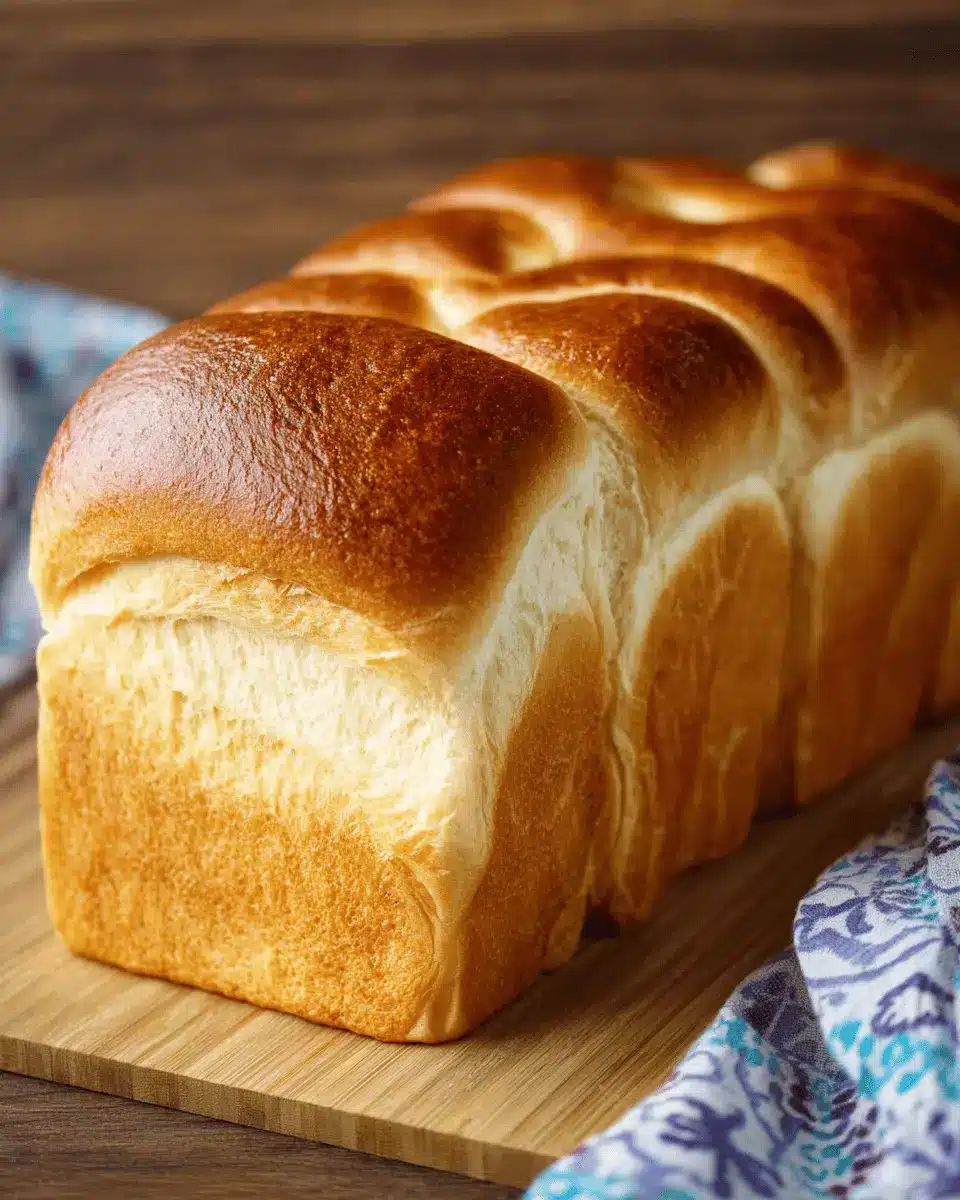
If you haven't tried Shokupan, the beloved Japanese milk bread, you're in for a treat. This incredibly soft and fluffy bread has a light, pillowy texture that makes it perfect for sandwiches, toast, or even on its own with a pat of butter. Originating from Japan, Shokupan is often enjoyed as part of breakfast or as a snack, and it's a staple in many Japanese households.
One of the standout features of this Shokupan recipe is the use of a technique called Tangzhong, which involves cooking a portion of the flour with water and milk. This simple step not only enhances the bread's texture but also helps it stay fresher longer. As you knead the dough, you'll discover how satisfying it is to create something so delicious from scratch.
Making Shokupan at home allows you to enjoy a slice of authentic Japanese cuisine while experimenting with toppings. You can pair it with turkey bacon or chicken ham for a hearty breakfast, or spread your favorite jam for a delightful snack.
For more on the unique properties of this bread, check out Serious Eats or The Kitchn for additional insights. Let’s dive into the recipe!
Ingredients for Shokupan
Tangzhong Ingredients
To make the perfect shokupan, you’ll need to start with a simple yet vital component known as tangzhong. This unique mixture helps ensure your bread will be incredibly soft and remain fresh longer. Here’s what you’ll need:
- ¼ cup (33 grams) bread flour: This high-protein flour is essential for the right structure.
- ¼ cup (60 milliliters) milk: Adds moisture and gives a slightly sweet flavor.
- ¼ cup (60 milliliters) water: Helps achieve the ideal consistency.
Shokupan Ingredients
For the main dough, you’ll combine both wet and dry ingredients to create that signature fluffy texture. Gather these essentials:
- 2 ¼ teaspoons (7 grams) active dry yeast: This is crucial for that wonderful rise.
- ¾ cup (177 milliliters) lukewarm milk (105-115˚F): Ensures the yeast activates without being too hot.
- 3 ½ cups (455 grams) bread flour: This will be your base for that delicious bread.
- 3 tablespoons (38 grams) granulated sugar: A touch of sweetness balances the flavors perfectly.
- 1 teaspoon salt: Enhances all the flavors.
- 3 tablespoons (43 grams) unsalted butter: Adds richness and tenderness.
With these ingredients, you're well on your way to mastering this delightful shokupan recipe. For more tips on bread-making techniques, consider checking out resources from King Arthur Baking or The Fresh Loaf. Happy baking!
Step-by-Step Preparation of Shokupan
Making Shokupan, or Japanese milk bread, at home may seem like a daunting task but trust me, it’s more accessible than you think! Follow me through these straightforward steps and soon you’ll be enjoying your warm, soft bread straight from the oven.
Prepare the Tangzhong
The first step involves creating a tangzhong, a water roux that gives Shokupan its signature fluffiness. In a small pot, combine:
- ¼ cup (33 grams) bread flour
- ¼ cup (60 milliliters) milk
- ¼ cup (60 milliliters) water
Stir these ingredients over medium heat until they reach a thick, pudding-like consistency. This should take just a few minutes, so keep an eye on it! Once you're there, remove it from the heat and let it cool to a lukewarm temperature.
Activate the Yeast
Next, it's time to bring your yeast to life! In a small bowl, sprinkle 2 ¼ teaspoons (7 grams) of active dry yeast over ¾ cup (177 milliliters) of lukewarm milk, ideally between 105 and 115˚F (40-46˚C). Give it a gentle stir and let it sit for around 10 minutes until frothy. This step is crucial to ensure your bread has that necessary rise.
Mix the Dry Ingredients
Now, in the bowl of a stand mixer (or a large bowl if you’re mixing by hand), whisk together:
- 3 ½ cups (455 grams) bread flour
- 3 tablespoons (38 grams) granulated sugar
- 1 teaspoon salt
Mix these dry ingredients well; this simple step lays the foundation for your final loaf.
Combine Ingredients and Knead the Dough
Once your tangzhong has cooled and the yeast is frothy, it’s time to combine everything. Add the tangzhong and yeast mixture into your dry ingredients, followed by 3 tablespoons (43 grams) of softened unsalted butter. Mix everything until a dough forms, then knead it until smooth and slightly tacky. If it feels too dry, a splash of milk helps. Conversely, a little more flour should fix a sticky mess.
First Rise
Transfer your dough into a greased bowl (butter or oil works great here). Cover the bowl and let it rest at room temperature for about 1 hour until it doubles in size. This waiting game is essential—your patience will be rewarded!
Shape the Loaves
Once your dough has risen, gently punch it down. Divide it into three equal pieces and shape each one into a ball. Allow them to rest briefly for about 20 minutes, covered to prevent drying out.
Second Rise
Now, grab a greased loaf pan. Roll each ball into a thin rectangle, fold lengthwise into thirds, roll up, and place them seam-side down into the pan. Cover again and let them puff up for about an hour.
Bake the Bread
Finally, it’s time for the magic! Preheat your oven to 375˚F (190˚C). Bake the dough until it’s golden brown with that solid crust you want, roughly 30-40 minutes. Once baked, transfer the bread to a wire rack and allow it to cool completely—a tantalizing challenge, but your patience will pay off!
With these steps, your Shokupan is almost a slice of heaven waiting to be enjoyed! Don't forget to check out other tips on mastering bread baking here. Happy baking!
Variations of Shokupan
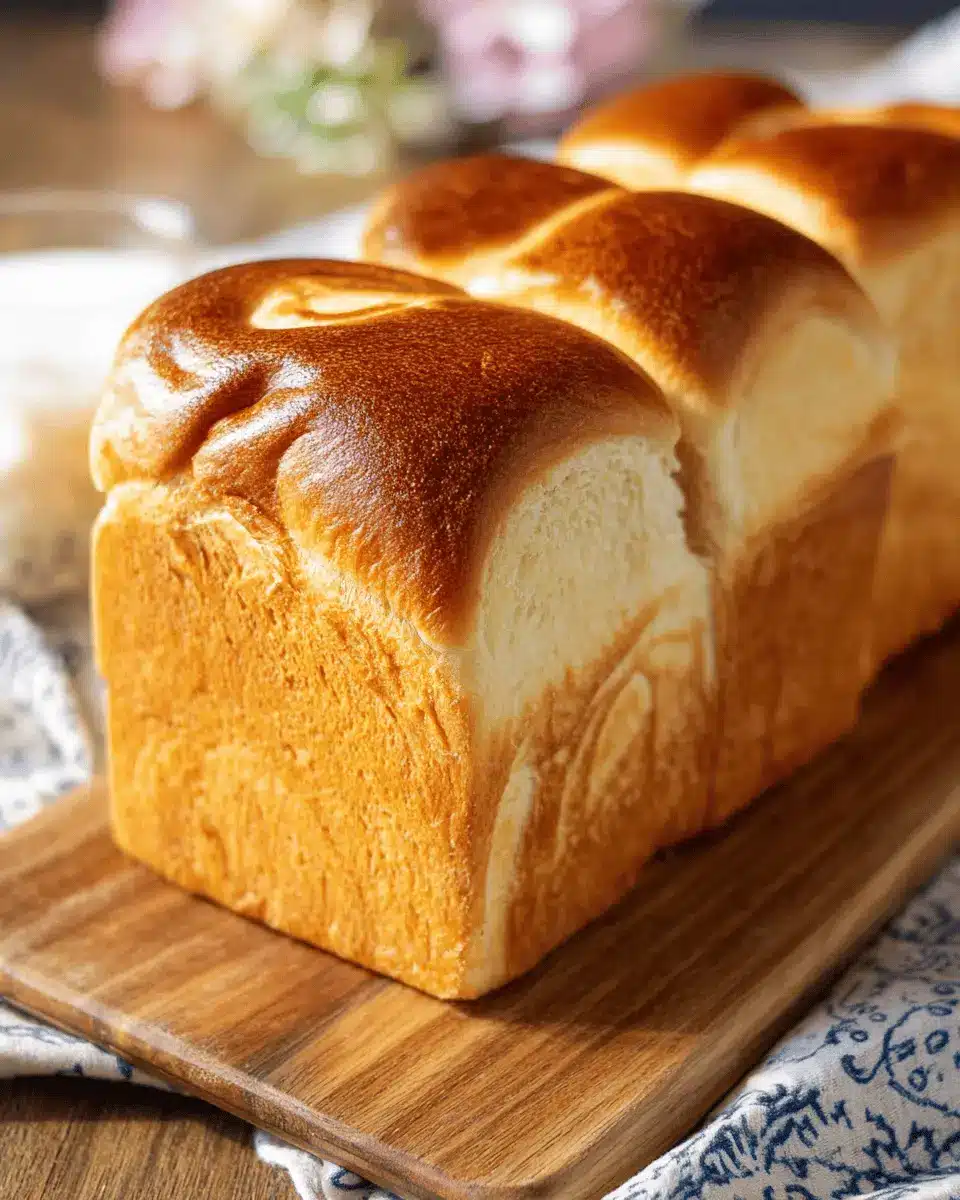
Shokupan is incredibly versatile, allowing for delightful variations that can suit any palate. Here are two creative twists on the classic shokupan recipe that you’ll love.
Matcha Shokupan
For those who enjoy a hint of earthy flavor, consider adding matcha to your shokupan. Simply incorporate 2 tablespoons of culinary-grade matcha powder into your dry ingredients. This not only gives your bread a stunning green color but also infuses it with antioxidants. The blend of flavors creates a subtle sweetness that pairs beautifully with butter or jam, making it a fantastic option for brunch or afternoon tea.
Chocolate-filled Shokupan
If you're leaning toward something sweet, why not try a chocolate-filled variation? Roll out your dough into a rectangle, sprinkle with chocolate chips, and then roll it up tightly. Bake as usual, and the result is a decadent treat where molten chocolate meets soft, fluffy bread. It’s perfect for breakfast or a snack—just make sure to keep some for yourself!
Whether you choose matcha, chocolate, or stick with the classic, this shokupan recipe will serve as the perfect foundation for your culinary creativity. Happy baking!
Cooking Tips and Notes for Shokupan
Common pitfalls to avoid
When making your shokupan recipe, there are a few things to keep in mind to ensure success. First, be cautious with your yeast; it should be fresh for maximum rise. If your milk is too hot, it can kill the yeast—aim for lukewarm, around 105-115°F (40-46°C). Lastly, don’t skip the resting time—this helps develop that light, fluffy texture we all crave.
Tools you might need
To get started on your shokupan journey, gather these essentials:
- Stand mixer with a dough hook (or a sturdy mixing bowl if going traditional)
- Loaf pan for baking
- Instant-read thermometer for checking milk temperature
- Rolling pin for shaping your dough
By preparing your tools ahead of time, you’ll have a smoother cooking experience! If you're looking for more guidance on Japanese bread techniques, check out resources like Serious Eats. Happy baking!
Serving Suggestions for Shokupan
Breakfast Ideas
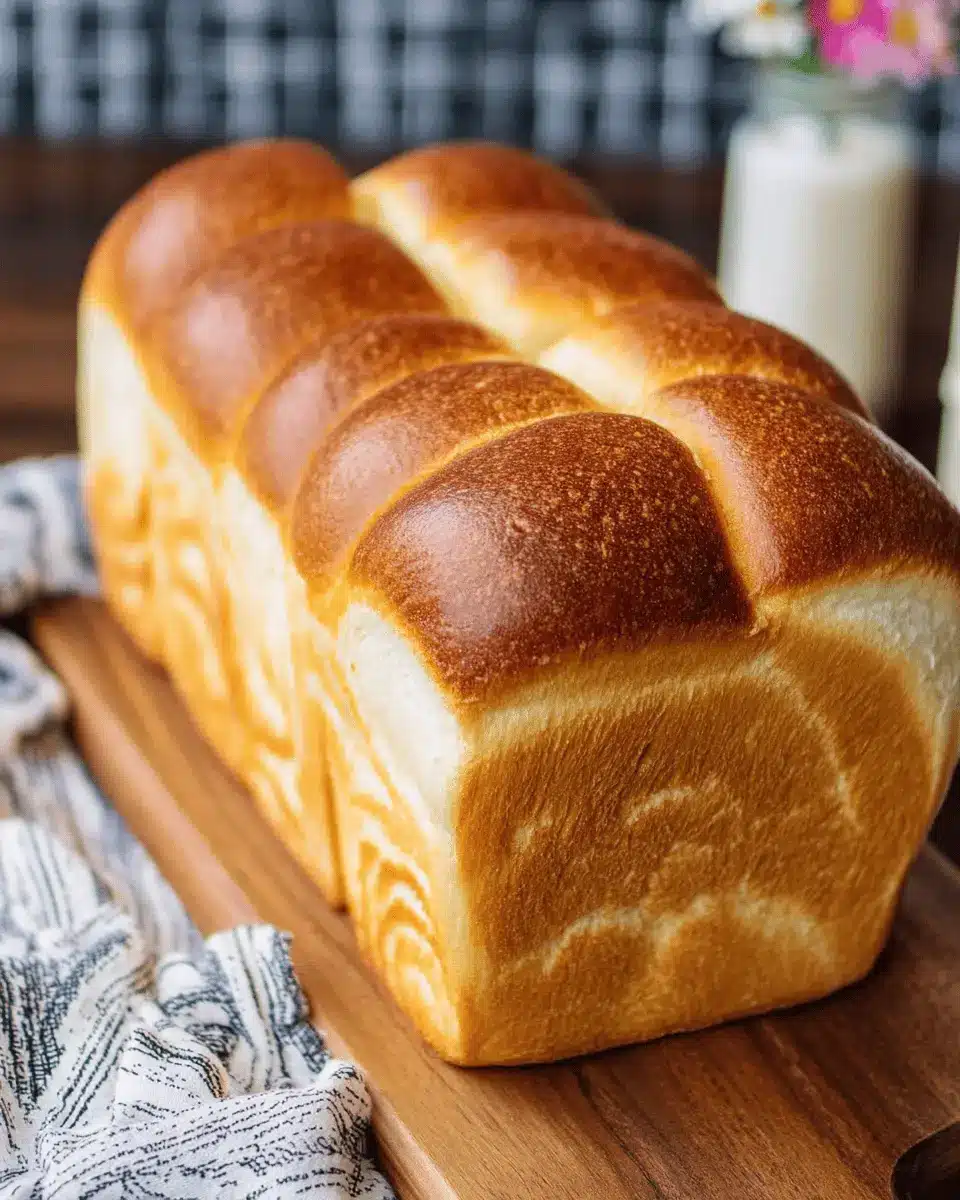
Kickstart your day with a delicious breakfast featuring your homemade shokupan. Here are a couple of tasty options:
- French Toast: Dip thick slices in a mixture of eggs and milk, then pan-fry until golden. Top with fresh berries or maple syrup.
- Avocado Toast: Smash ripe avocado on toasted shokupan and sprinkle with salt, pepper, and red chili flakes for a flavor boost.
Snack Recommendations
When hunger strikes, shokupan can shine as an afternoon snack:
- Sandwiches: Fill slices with turkey bacon, lettuce, and a smear of mayo for a satisfying midday meal.
- Peanut Butter Toast: Spread creamy peanut butter on warm slices and drizzle with honey for a simple, energizing treat.
Explore other ideas and variations to maximize your enjoyment of this delightful Japanese milk bread!
Time Breakdown for Shokupan
When diving into this delightful shokupan recipe, it’s essential to manage your time well. Here's how the schedule breaks down:
Preparation Time
You’ll need about 20 minutes to gather your ingredients and create that fluffy tangzhong base, integral for a perfect loaf of shokupan.
Baking Time
Once your dough has risen beautifully, you’ll spend approximately 30-40 minutes baking it to a lovely golden brown.
Total Time
From start to finish, expect to dedicate around 3 hours and 10 minutes to this delicious project, including resting and cooling times. So grab a cup of tea, and let’s get baking!
For further tips on making beautiful bread, consider visiting resources like King Arthur Baking or The Bread Baker's Guild of America for additional insights. Happy baking!
Nutritional Facts for Shokupan
Calories per slice
One slice of shokupan typically contains around 120 calories. This makes it a delightful yet guilt-free option for toast or sandwiches throughout your day.
Protein content
In terms of protein, each slice offers about 4 grams. Not only does this make shokupan a tasty treat, but it also contributes to your daily protein intake, helping you feel fuller for longer.
Carbohydrate details
When it comes to carbohydrates, you can expect about 24 grams per slice. These carbs provide the energy you need to tackle your busy lifestyle, making this fluffy Japanese bread a popular choice for breakfasts and snacks alike.
If you want to read more on the nutritional benefits of different breads, check out Healthline's guide to bread nutrition. With its unique texture and flavor, shokupan stands out as a delightful staple in any kitchen.
FAQs about Shokupan
What makes Shokupan different from regular bread?
The secret to Shokupan, or Japanese Milk Bread, lies in its unique tangzhong method—a technique involving a cooked mixture of flour and liquid that makes the bread incredibly soft and fluffy. Unlike regular bread, Shokupan is enriched with milk and a bit of sugar, which deepens its flavor and gives it a slightly sweet, buttery aroma. This makes it perfect for sandwiches or toasted with a spread of your choice.
Can I freeze Shokupan?
Absolutely! Freezing Shokupan is a great way to preserve its fresh flavor and fluffy texture. Just slice the bread before freezing, and layer the slices with parchment paper to prevent sticking. When you're ready to enjoy it, simply toast or thaw the pieces as needed. It makes breakfast or snack time easy and convenient.
Is there a gluten-free version of Shokupan?
While traditional Shokupan recipes rely on wheat flour, it's possible to create a gluten-free version! You can substitute a gluten-free flour blend and add xanthan gum to provide structure. However, keep in mind that the texture might differ slightly from the classic version. For more insights, check out resources from experts in gluten-free baking.
Conclusion on Shokupan Recipe
Embrace homemade joy with Shokupan!
Creating your homemade shokupan is a delightful journey filled with joy. Its fluffy texture and mildly sweet flavor make it a versatile choice for toast, sandwiches, or simply enjoyed on its own. Enjoy the process, savor the results, and let this bread elevate your breakfast routine!
Shokupan (Japanese Milk Bread)
Equipment
- small pot
- rubber spatula
- Stand Mixer
- Loaf pan
- wire rack
Ingredients
Tangzhong
- ¼ cup bread flour 33 grams
- ¼ cup milk 60 milliliters
- ¼ cup water 60 milliliters
Shokupan
- 2 ¼ teaspoons active dry yeast 7 grams
- ¾ cup lukewarm milk 105-115˚F, 40-46˚C, 177 milliliters
- 3 ½ cups bread flour 455 grams
- 3 tablespoons granulated sugar 38 grams
- 1 teaspoon salt
- 3 tablespoons unsalted butter softened at room temperature, 43 grams
Instructions
Tangzhong
- In a small pot, mix together the bread flour, milk, and water over medium heat using a small rubber spatula.
- Continue to mix and fold until the mixture reaches a thick, pudding-like consistency.
- Remove from heat and allow to cool to a lukewarm temperature.
To make the Shokupan
- In a small bowl, sprinkle the yeast over the lukewarm milk. Mix together and allow to sit at room temperature until frothy, about 10 minutes.
- In the bowl of a stand mixer fitted with a dough hook or a large bowl, combine the bread flour, sugar, and salt.
- Mix in the lukewarm Tangzhong mixture and the frothy yeast with milk.
- Mix in the softened butter until the dough completely comes together. It should be smooth and slightly tacky. If it is too dry, add a little more lukewarm milk. If it is too sticky to handle, add a little more flour.
- Grease a large bowl with butter or oil and add the dough, turning to coat. Cover and allow to rest at room temperature until doubled, about 1 hour.
- On a lightly floured surface, punch down the dough and divide into 3 equal pieces. Form each into a smooth ball, cover, and allow to rest at room temperature for 20 minutes.
- Grease a loaf pan with butter.
- On a lightly floured surface, roll one ball into a thin rectangle about 10 x 7 inches.
- Fold the dough lengthwise into thirds.
- Roll the dough up, sealing the seam, and place in the loaf pan with the spiraled edges facing the long edges of the pan and the seam facing down. Repeat with remaining dough.
- Cover and allow to rest until the dough puffs up and fills in the pan, about 1 hour.
- Preheat oven to 375˚F.
- Bake the dough in the preheated oven until golden brown with a solid crust, about 30-40 minutes.
- Remove from the pan to a wire rack to cool to room temperature before serving.



Leave a Reply